EN
EN  FR
FR  DE
DE  RU
RU  ES
ES  AR
AR  JA
JA  KO
KO 
Aluminum composite panels (ACP) are also extensively used in the industry today. Yet, in many projects, installation failures still occur, resulting in visual defects, structural risks, and costly rework. The vast majority of problems with the aluminum composite panel installation are not down to shoddy workmanship. Rather, they tend to be the result of material-type decisions being made, which are either inadequate for the application’s requirements, or material specifications are mismatched, or there is a lack of technical coordination between the various parties before installation. Drawing on the extensive project experience throughout its organization, Shingkwang highlights the most common failures of aluminum composite panel installation and demonstrates how they can be effectively and practically avoided.
Q1: Aluminum Composite Panel Deformation and Uneven Surfaces
One of the most frequently reported installation issues is the aluminum composite panel deformation, including warping, waviness, or uneven surfaces. These problems negatively affect façade aesthetics and can compromise structural integrity.
Common Causes
- Insufficient aluminum skin thickness for building height or wind load
- Inadequate flatness control during manufacturing
- Uneven subframe or improperly aligned support structures
- Excessive fixing distances that reduce structural stability
Prevention Measures
To prevent deformation, aluminum composite panel specifications must match project conditions. Taller buildings and high-wind environments require thicker aluminum skins to maintain rigidity. Flatness control during production is equally critical. We strictly control panel flatness and thickness tolerance to ensure consistent performance. Early technical consultation helps contractors select suitable specifications before fabrication and installation.
Q2: Delamination and Bonding Failure
Delamination, where aluminum skins separate from the core material, is a serious failure affecting safety and durability. Once bonding integrity is compromised, panel performance deteriorates rapidly.
Common Causes
- Inconsistent bonding strength between the aluminum skins and the core material
- Inferior adhesive quality or unstable production processes
- Improper cutting, routing, or bending techniques during fabrication
- Exposure to extreme temperature or humidity without a suitable panel design
Prevention Measures
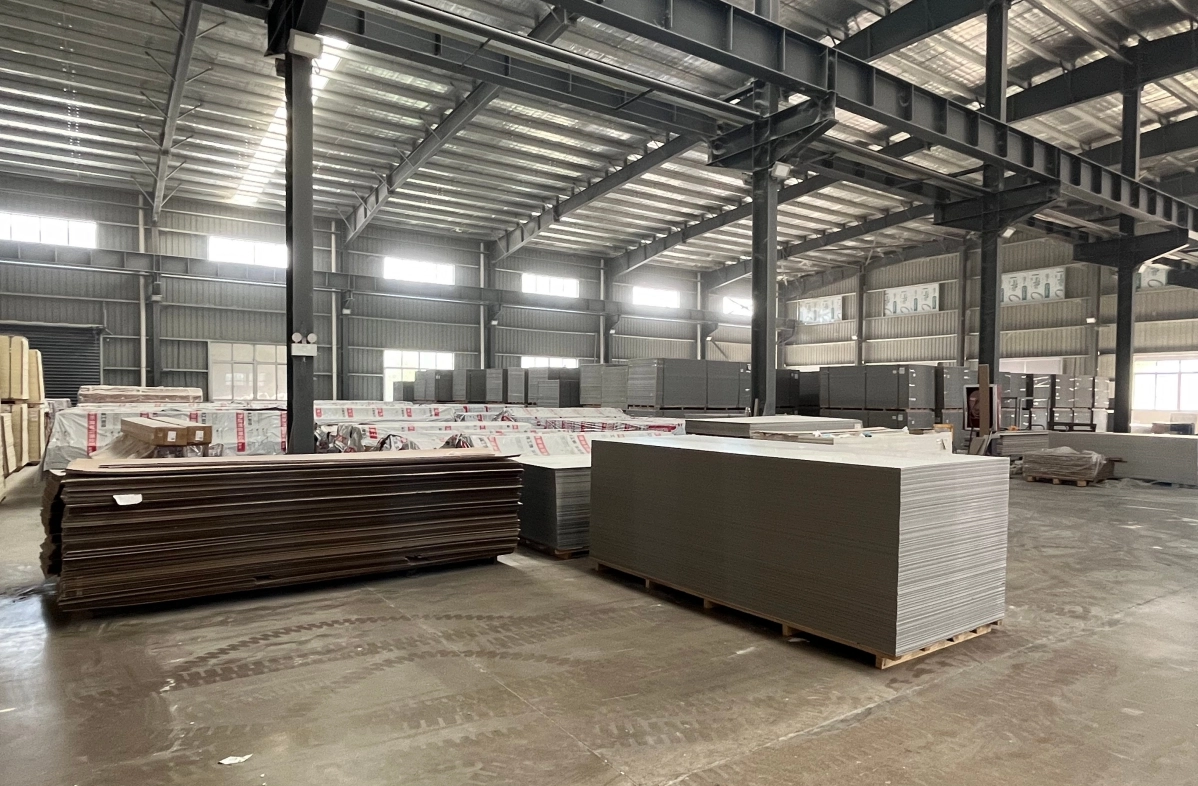
Reliable bonding strength is achieved through stable manufacturing processes and quality raw materials. Aluminum composite panels should be tested for peel strength and bonding integrity before delivery. During fabrication, proper tools and techniques must be used to avoid damaging the bonding layer. Shingkwang conducts strict bonding strength inspections to ensure panels maintain structural stability throughout their service life.
Q3: Thermal Expansion and Joint Cracking
Aluminum composite panels expand and contract with temperature changes. Without consideration for thermal movement during installation, joint cracking, misalignment, or fastener damage may occur.
Common Causes
- Lack of expansion gaps between panels
- Rigid fixing systems that restrict movement
- Inadequate consideration of climate conditions and temperature ranges
Prevention Measures
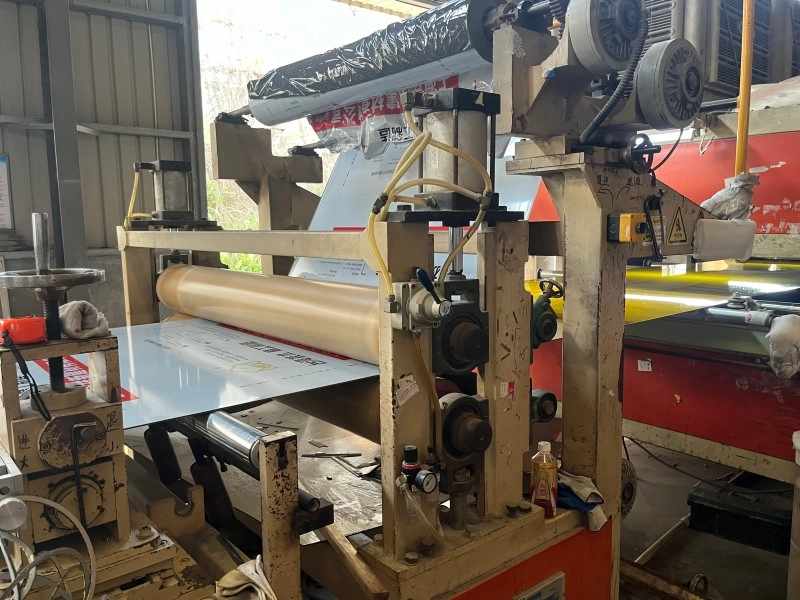
Installers should allow appropriate expansion gaps based on panel size and local climate. Floating installation systems are recommended to accommodate thermal movement. Manufacturers can provide installation guidance tailored to regional conditions. ShingKwang works closely with clients to ensure expansion allowances are factored into design and installation planning.
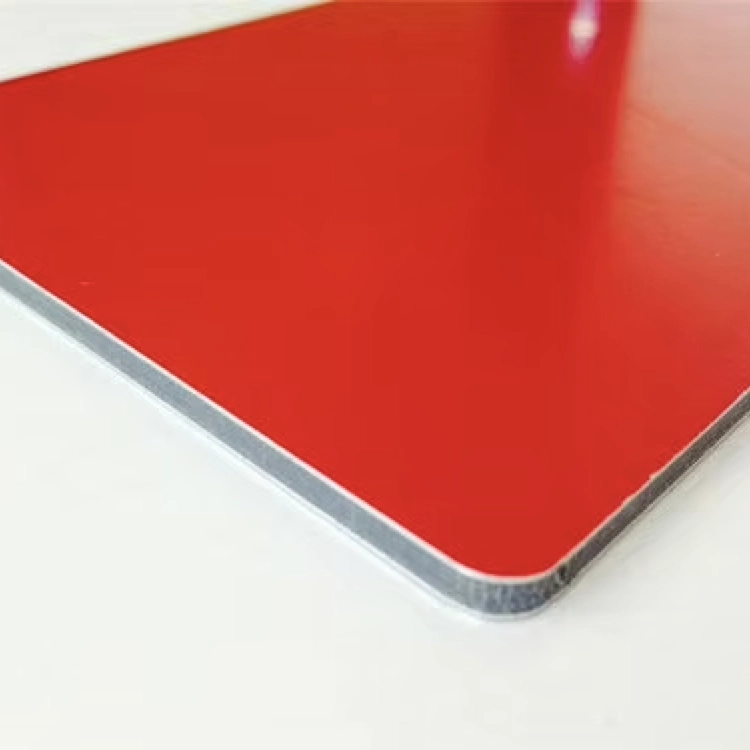
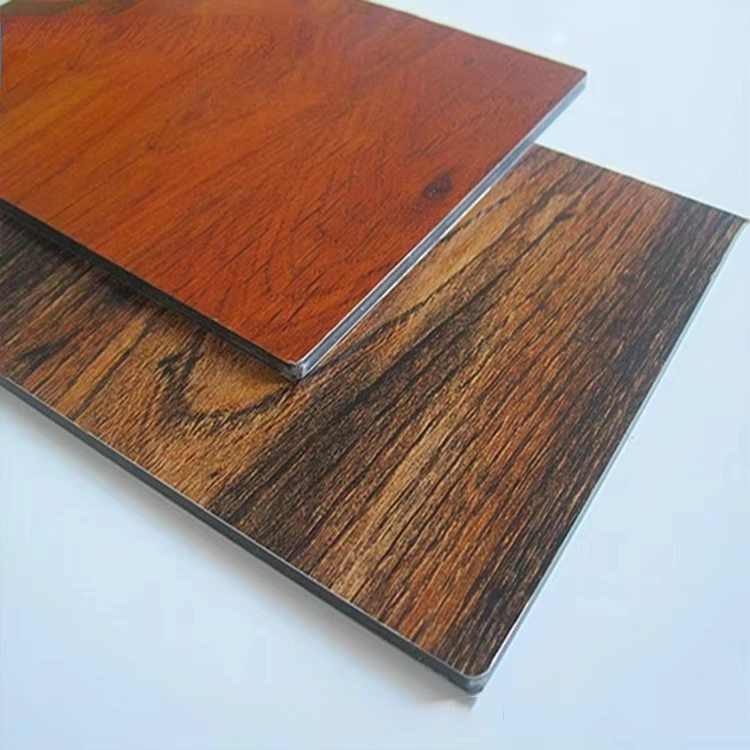
Q4: Surface Coating Damage and Premature Color Fading
Surface quality issues such as scratches, coating damage, or premature fading significantly reduce the visual value of aluminum composite panel installations.
Common Causes
- Improper handling and insufficient surface protection during installation
- Incorrect coating selection for the application environment
- Exposure to strong UV radiation, pollution, or chemicals without adequate coating performance
Prevention Measures
For exterior applications, PVDF ACP panels offer superior UV resistance, color retention, and weather durability compared to polyester (PE) coatings. Protective films should remain in place until installation is complete. ShingKwang provides a range of coating systems to meet both interior and exterior performance requirements.
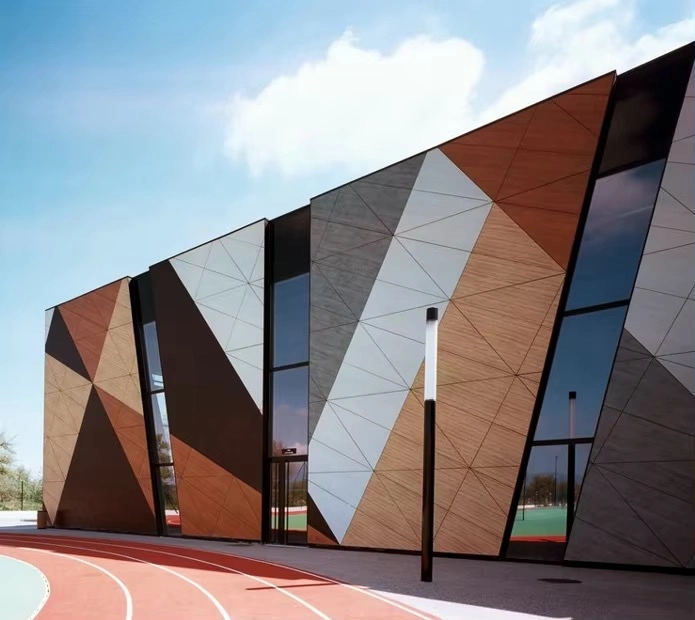
Q5: Fire Safety Non-Compliance
Fire performance failures can lead to project rejection, legal liability, and serious safety risks, particularly in high-rise and public buildings.
Common Causes
- Misunderstanding fire rating requirements
- Selecting non-compliant core materials
- Failure to align ACP specifications with local fire regulations
Prevention Measures
Fire safety requirements vary by region and project type. Fire-resistant (FR) or solid core ACP panels are often mandatory for high-rise and public buildings. Verifying certifications and performance data before procurement is essential. ShingKwang offers multiple core options and provides technical documentation to support compliance with international fire safety standards.
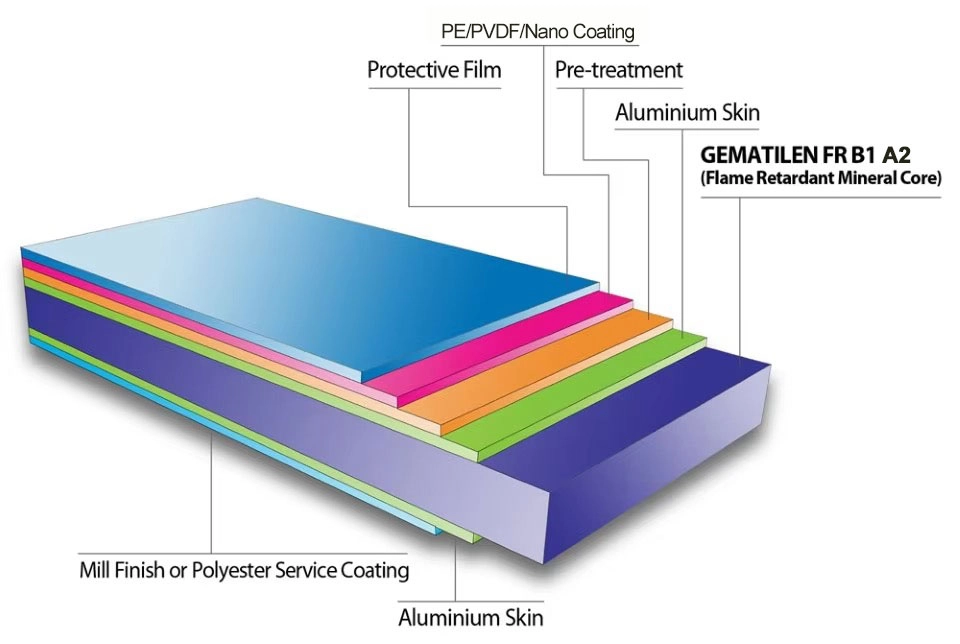
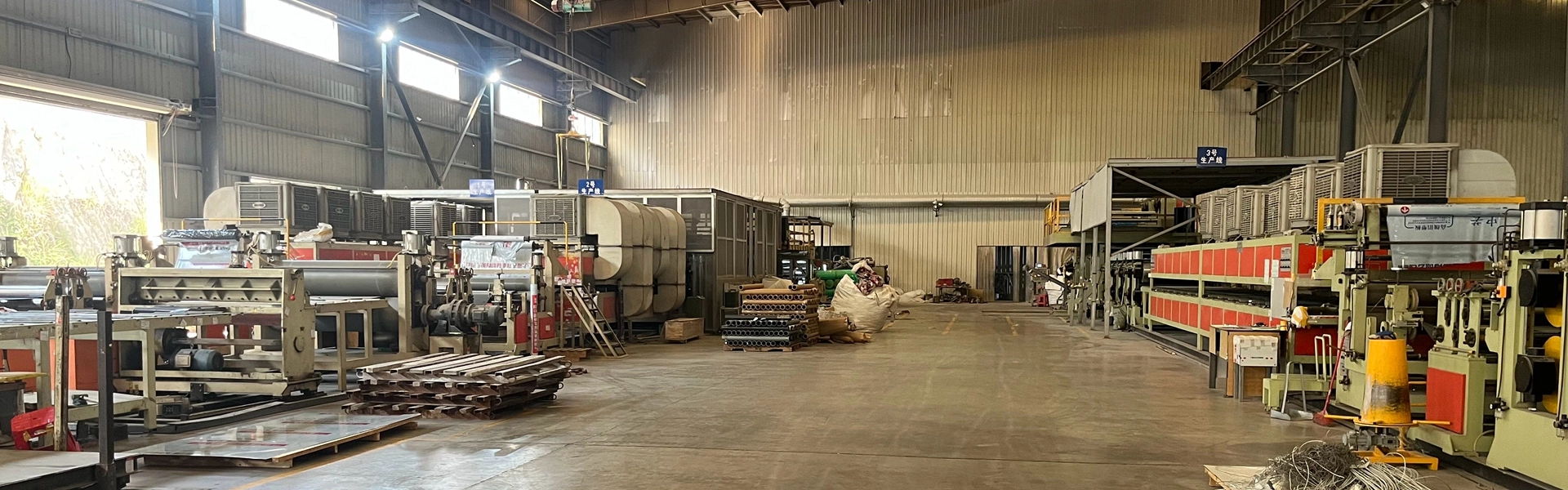
The Manufacturer’s Role in Reducing Aluminum Composite Panel Installation Failures
Many aluminum composite panel installation failures can be traced back to early-stage decisions rather than on-site execution alone. A reliable aluminum composite panel manufacturer plays a critical role in preventing problems by ensuring:
- Consistent aluminum alloy quality and thickness control
- Stable bonding strength and flatness across production batches
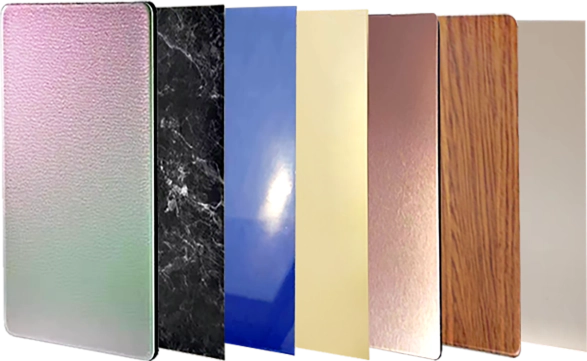
- Accurate customization of size, coating, and core materials
- Technical support for material selection and installation planning
Shingkwang supports contractors, architects, and distributors by offering tailored aluminum composite panel solutions aligned with project requirements, reducing installation risk and improving long-term performance.
Conclusion
Aluminum Composite panel installation failures tend to be preventable when material choice, manufacturing quality, and installation considerations are balanced. Problems including bowing, delamination, thermal expansion, surface damage and fire regulation breach serve to underline the value of selecting the right specifications and partnering with a seasoned ACP supplier.
With consistent production stability and early technical collaboration support, Shingkwang provides dependable, compliant, and color-matched Aluminum composite panel systems for building façades, interiors, signage and other industrial applications. Good planning and support from the manufacturer are what you base a successful aluminum composite panel job on.