AR
AR  EN
EN  FR
FR  DE
DE  RU
RU  ES
ES  JA
JA  KO
KO 
Choosing the right aluminum composite panel thickness is an important decision for architects, contractors, and procurement managers. While 3mm and 4mm aluminum composite panels may look similar, their differences in rigidity, weight, cost, and application suitability can significantly affect long-term project performance. For construction projects, selecting the correct panel specification is not simply about choosing a thicker material. It requires evaluating building height, installation method, environmental conditions, and performance requirements.
Aluminum Composite Panel Thickness Explanation
أن ألواح الألومنيوم المركب consists of two aluminum skins bonded to a core material. The total thickness of the panel is determined by the aluminum layers and the core thickness combined.
The most common thickness options used in construction projects are 3mm and 4mm aluminum composite panels.
| Panel Thickness | التطبيقات النموذجية | Main Features |
|---|---|---|
| 3mm Aluminum Composite Panel | Interior walls, signage, low-rise projects | Lightweight, flexible, cost-effective |
| 4mm Aluminum Composite Panel | Exterior façades, commercial buildings, high-performance applications | Higher rigidity, better stability |
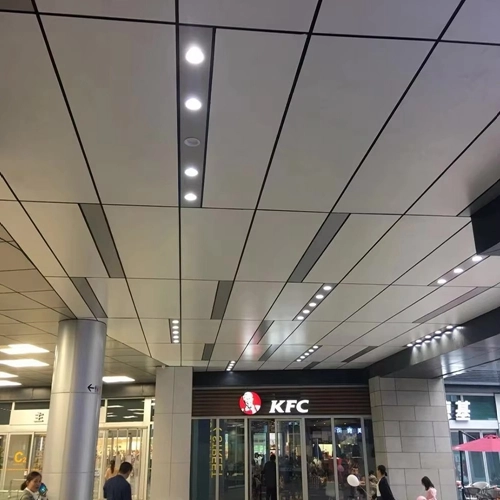
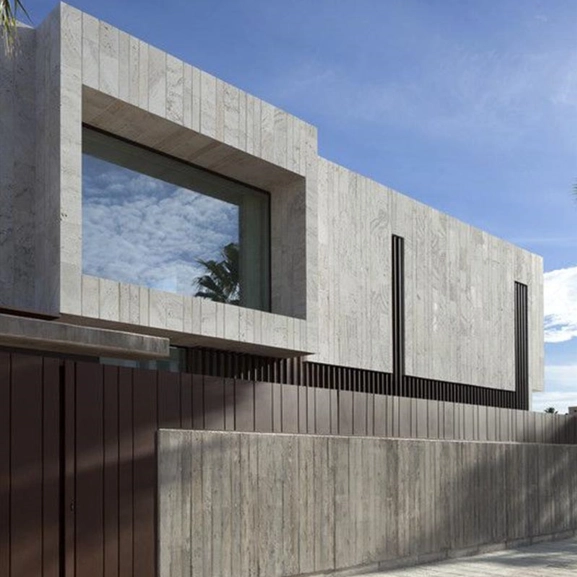
3mm Aluminum Composite Panels: Lightweight and Cost-Effective Solution
A 3mm aluminum composite panel is widely used for projects where weight control and cost efficiency are important considerations.
Advantages of 3mm Aluminum Composite Panel
هيكل خفيف الوزن
The lower thickness reduces overall panel weight, making transportation and installation easier. This makes 3mm panels suitable for:
- Interior decoration projects
- Exhibition displays
- Advertising boards
- Partition systems
Easier Fabrication
3mm aluminum composite panels are easier to cut, bend, and fabricate into customized shapes, making them suitable for decorative applications requiring flexible processing.
Lower Material Cost
For projects with limited structural requirements, 3mm ACP provides a practical balance between appearance, installation efficiency, and budget control.
Limitations of 3mm Aluminum Composite Panels
Although 3mm panels provide excellent flexibility and cost advantages, their rigidity is lower compared with thicker panels.
Potential limitations include:
- Lower resistance to wind pressure
- Higher risk of surface unevenness in large areas
- Limited suitability for demanding exterior façade applications
Therefore, 3mm aluminum composite panels are generally recommended for interior and lightweight applications rather than large-scale exterior cladding.
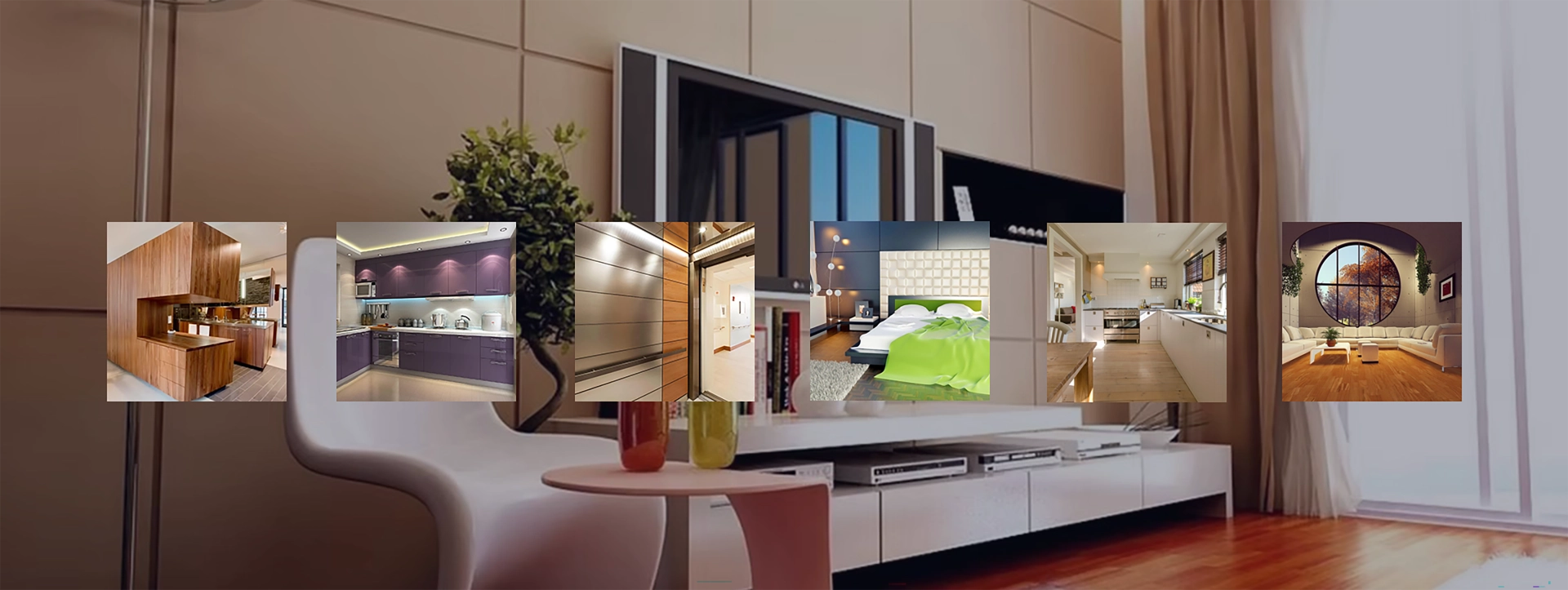
4mm Aluminum Composite Panels: Higher Stability for Exterior Applications
A 4mm aluminum composite panel provides improved rigidity and dimensional stability, making it one of the most common choices for architectural façade systems.
Advantages of 4mm Aluminum Composite Panel
Better Flatness and Structural Performance
The increased thickness improves panel stiffness and helps maintain a smoother façade appearance over long-term use.
4mm panels are commonly used for:
- High-rise buildings
- Commercial façades
- Transportation facilities
- Large exterior wall systems
Improved Wind Load Resistance
Exterior panels are continuously exposed to environmental stress, including wind pressure, temperature changes, and moisture. A 4mm aluminum composite panel provides better mechanical stability under these conditions.
Better Long-Term Performance
For large projects, the initial cost difference between 3mm and 4mm panels is often smaller than potential maintenance costs caused by deformation or replacement.
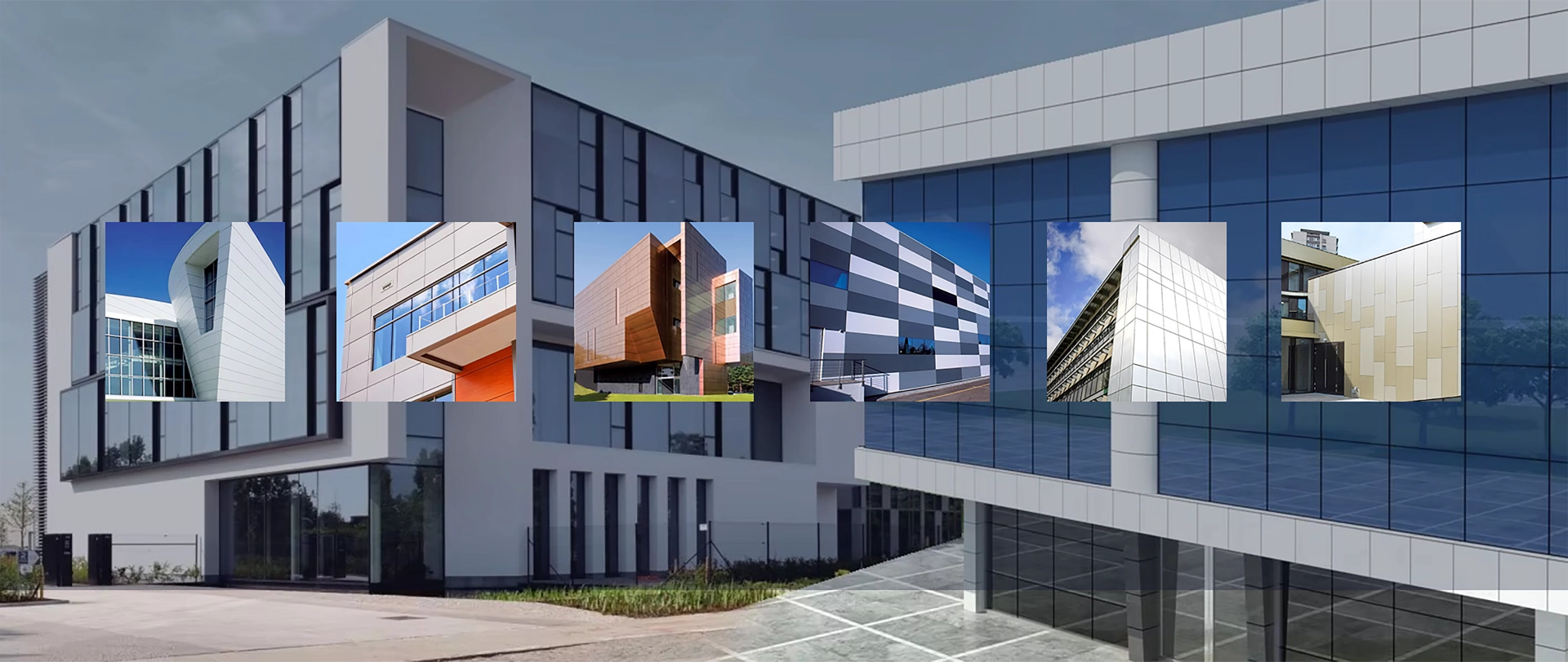
3mm vs 4mm Aluminum Composite Panels: Key Differences
| Comparison | 3mm Aluminum Composite Panel | 4mm Aluminum Composite Panel |
|---|---|---|
| السُمك | 3mm | 4mm |
| الوزن | Lower | Higher |
| Rigidity | Moderate | Higher |
| Fabrication | Easier | Good |
| Wind Resistance | Suitable for limited exposure | Better for exterior environments |
| التكلفة | More economical | Higher initial investment |
| Recommended Use | Interior, signage, decoration | Façades, commercial buildings |
How to Choose Between 3mm and 4mm Aluminum Composite Panels?
The correct choice depends on project requirements rather than thickness alone.
For Interior Applications
A 3mm aluminum composite panel is usually sufficient for:
- Office decoration
- Shopping mall interiors
- Ceiling systems
- Wall cladding
- Display applications
For interior projects, buyers usually focus more on appearance, installation convenience, and cost efficiency.
For Exterior Façades
A 4mm aluminum composite panel is generally recommended for:
- Commercial buildings
- Residential façades
- High-rise projects
- Public buildings
Exterior applications require stronger resistance against wind pressure, UV exposure, temperature changes, and long-term weathering.
Other Factors Besides Thickness That Affect ACP Performance
سماكة جلد الألومنيوم
Total panel thickness does not always represent overall quality. The aluminum skin thickness directly affects panel strength, durability, and deformation resistance.
Professional buyers should confirm both total thickness and aluminum skin thickness before purchasing.
Core Material Selection
The core material also plays an important role in aluminum composite panel performance.
- النواة المكسورة: economical solution for interior applications
- النواة الصلبة: improved rigidity for commercial projects
- Fireproof Core: fire-rated solution for projects requiring enhanced safety
Coating System
For exterior applications, coating selection is equally important.
- PE coating: suitable for indoor applications
- طلاء PVDF: recommended for exterior façades requiring stronger UV and weather resistance
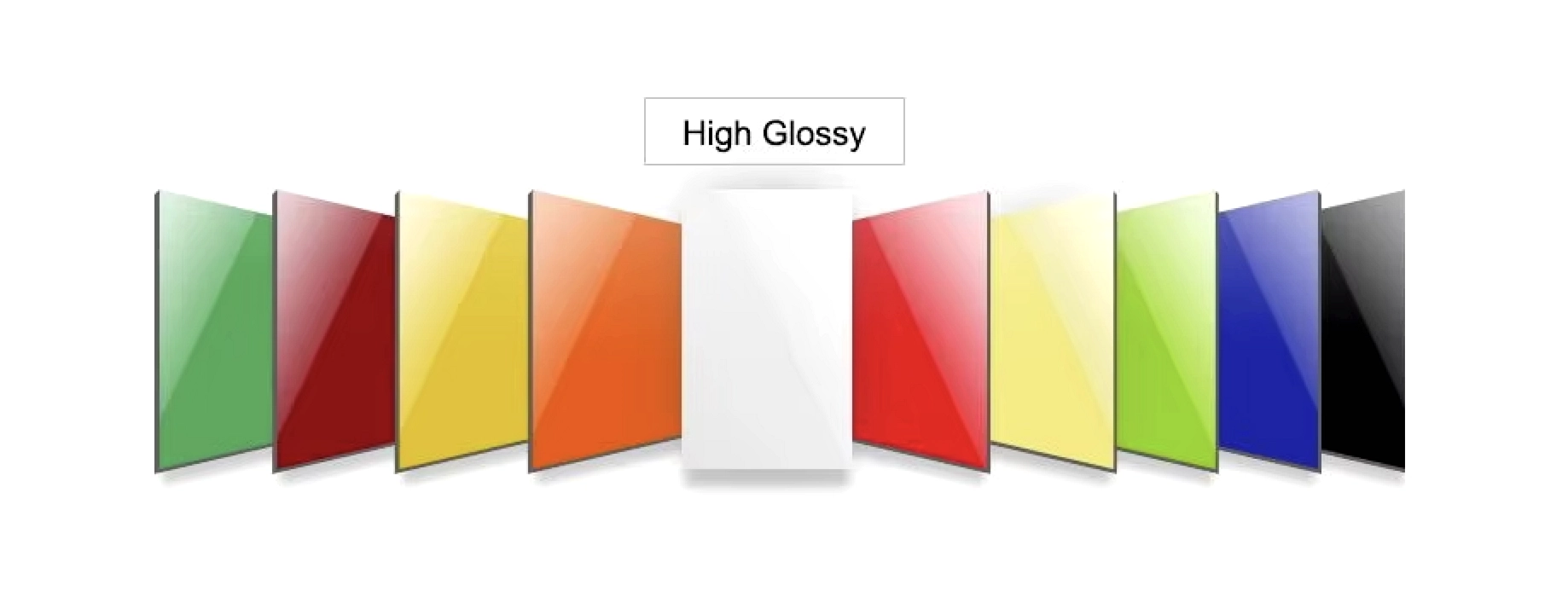
Work with Shingkwang, an Experienced Aluminum Composite Panel Manufacturer
Selecting the right aluminum composite panel specification requires professional technical support, especially for large construction projects.
أن experienced aluminum composite panel manufacturer can help evaluate:
- Building application
- Panel thickness
- Aluminum skin requirements
- Core material selection
- Coating options
- Project-specific performance requirements
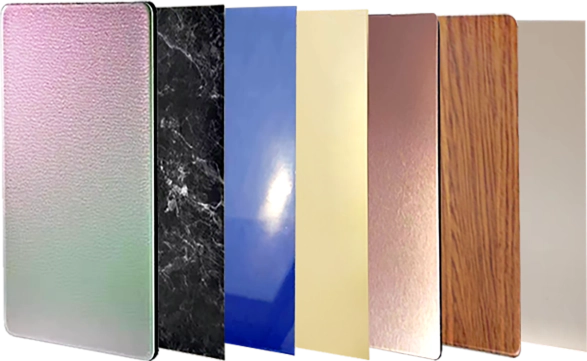
شينجكوانج يوفر customized aluminum composite panel solutions with different thicknesses, core structures, and surface finishes to meet various architectural requirements.
الخاتمة
The choice between a 3mm and 4mm aluminum composite panel depends on where and how the material will be used. A 3mm aluminum composite panel is a cost-effective solution for interior and lightweight applications, while a 4mm aluminum composite panel provides better rigidity and durability for demanding exterior projects.
For procurement managers, the best approach is to evaluate the complete system, including thickness, aluminum skin, core material, coating, and installation environment. Choosing the right specification from a reliable الشركة المصنعة لألواح الألمنيوم المركب helps ensure better project performance, lower maintenance costs, and long-term value.
Planning a construction or façade project? شينجكوانج provides professional guidance on aluminum composite panel selection, including thickness recommendations, core options, coating systems, and customized solutions. Contact Shingkwang for technical support, samples, or a quotation.