EN
EN  FR
FR  DE
DE  RU
RU  ES
ES  AR
AR  JA
JA  KO
KO 
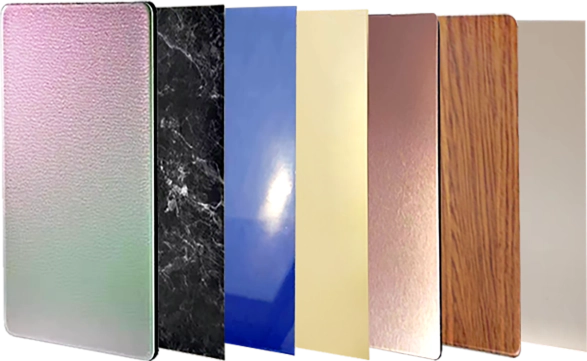
The aluminum composite panel (ACP) has become a popular choice in commercial facades, public infrastructure, and large-scale developments. A critical question continues to arise among architects, contractors, and procurement professionals: Are aluminum composite panels recyclable, and do they truly meet sustainability requirements? This guide explores the recyclability, environmental impact, and practical sustainability of ACP, while showing how Shingkwang supports global projects with more sustainable aluminum composite panel solutions.
What Is an Aluminum Composite Panel?
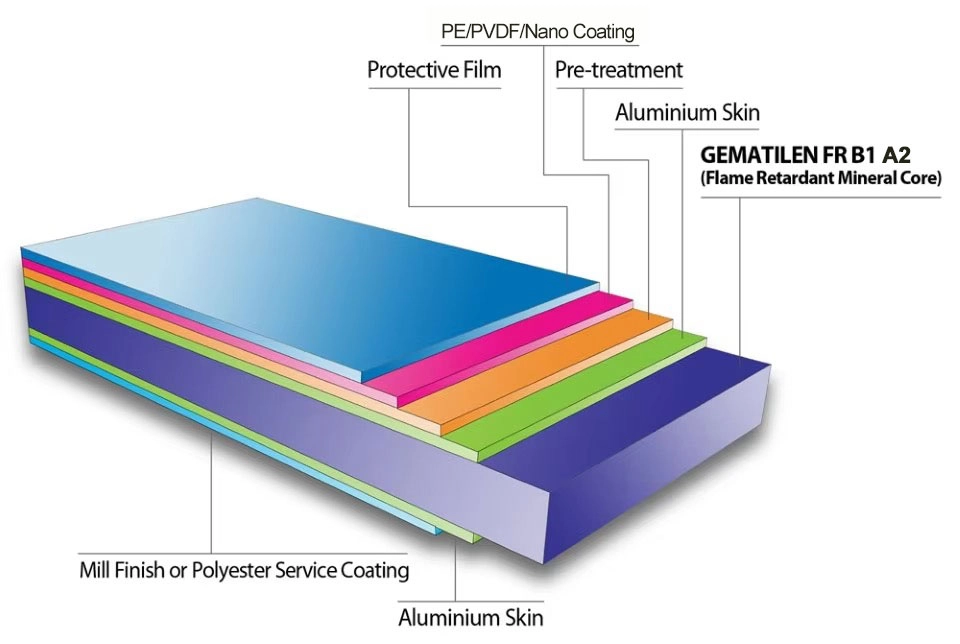
An aluminum composite panel is a multi-layer material composed of:
- Aluminum outer layers (skins) for strength and aesthetics
- Core material, typically broken core, solid core, fire-retardant (FR), or A2 mineral core
- Adhesive bonding layers that combine the materials into a single panel
This composite structure gives ACP its durability, flatness, and lightweight performance. At the same time, it introduces complexity to recycling.
Different core materials significantly affect sustainability. Broken core aluminum composite panels are cost-effective but less eco-friendly, while FR and A2 cores improve fire safety and environmental performance but increase recycling difficulty.
Are Aluminum Composite Panels Recyclable?
Technically, yes—But with Challenges
From a material perspective, aluminum is 100% recyclable. However, the challenge lies in separating the aluminum layers from the plastic or mineral core.
This means aluminum composite panels are not “non-recyclable,” but rather difficult to recycle efficiently at scale.
Common ACP Recycling Methods
- Mechanical separation: Crushing and sorting materials; cost-effective but lower purity
- Thermal treatment: High-temperature processes to separate aluminum; efficient but energy-intensive
- Chemical processing: Solvent-based separation; high recovery but limited use
Current Industry Reality
- Recycling systems are more developed in Europe
- Recycling rates vary by region
- Many projects rely on a long service life for sustainability
In practice, ACP sustainability depends more on lifecycle performance than recycling alone.
How Sustainable Is an Aluminum Composite Panel?
Lifecycle Assessment (LCA)
- Production phase: Aluminum manufacturing requires high energy
- Use phase: Long lifespan with low maintenance
- End-of-life phase: Recycling possible but system-dependent
Environmental Advantages
- Lightweight construction reduces transport emissions
- Durability minimizes replacement frequency
- Material efficiency compared to heavier alternatives
Environmental Challenges
- Plastic cores are not biodegradable
- Fire-retardant cores complicate recycling
- Recycling infrastructure is still developing
Key Factors That Affect Aluminum Composite Panel Recyclability
Core Material
Broken core offers lower sustainability, while FR and A2 cores improve environmental performance.
Aluminum Thickness
Higher aluminum content increases recycling value and recovery efficiency.
Surface Coating
PVDF coatings extend service life and improve overall sustainability.
Installation Method
Panels designed for easy disassembly are more recyclable.
Conclusion: Proper specification significantly improves sustainability outcomes.
How Shingkwang Enhances Aluminum Composite Panel Sustainability?
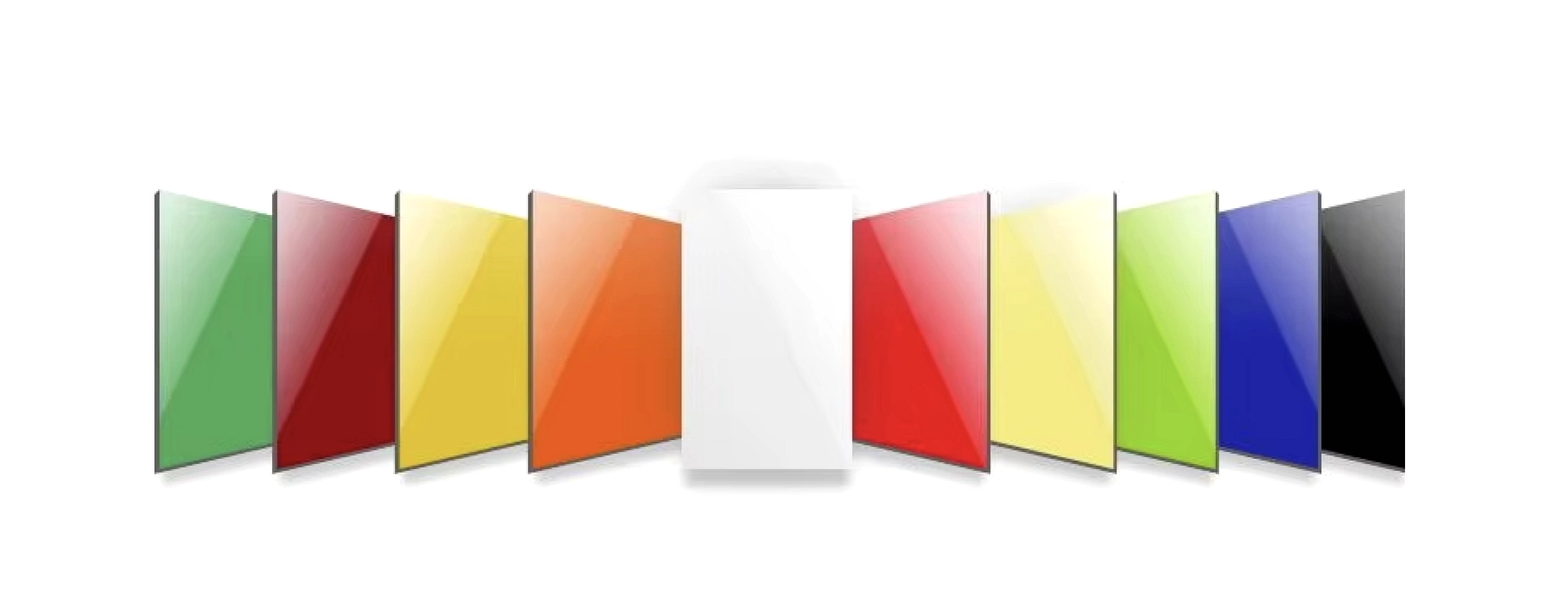
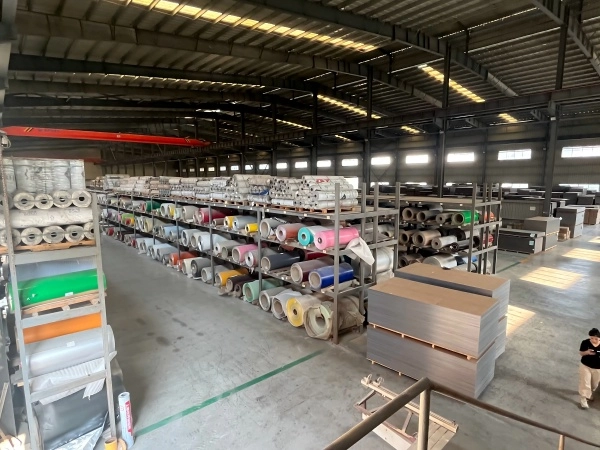
Shingkwang is a leading aluminum composite panel manufacturer and supplier in China, specializing in wholesale and custom ACP—a wide range of coating types, core structures, and decorative finishes.
High-Quality Raw Materials
- Premium aluminum for better recyclability
- Environmentally controlled coating systems
Optimized Panel Structure
- Multiple core options
- Improved structural efficiency
International Compliance
- Meets fire safety and building standards
- Suitable for global projects
Custom Solutions
- Flexible thickness, coating, and core options
- Optimized for performance and sustainability
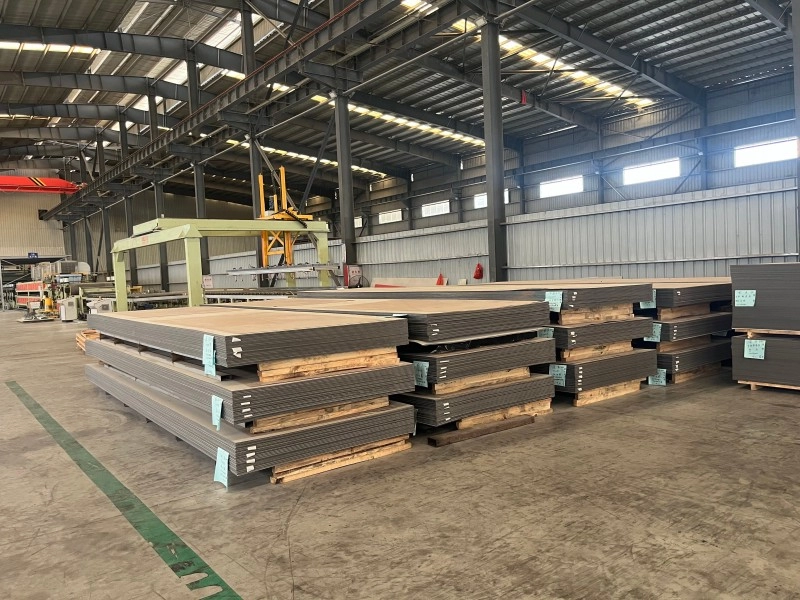
Applications of Aluminum Composite Panel in Sustainable Construction
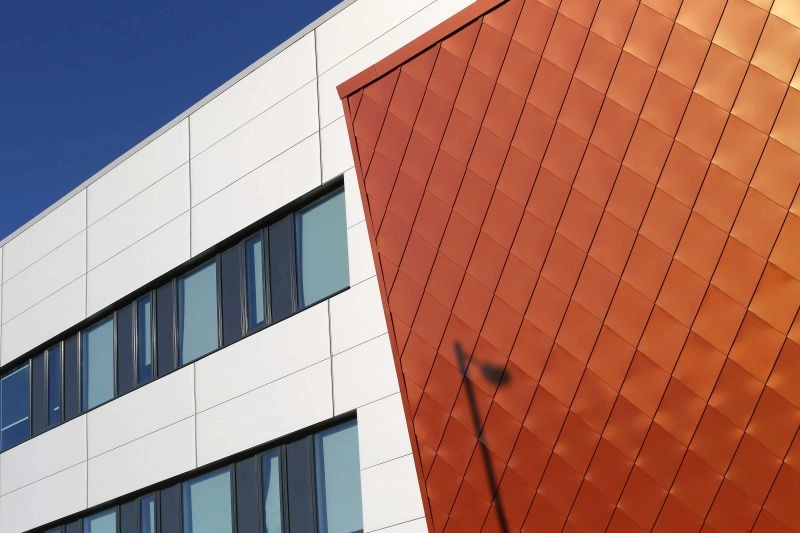
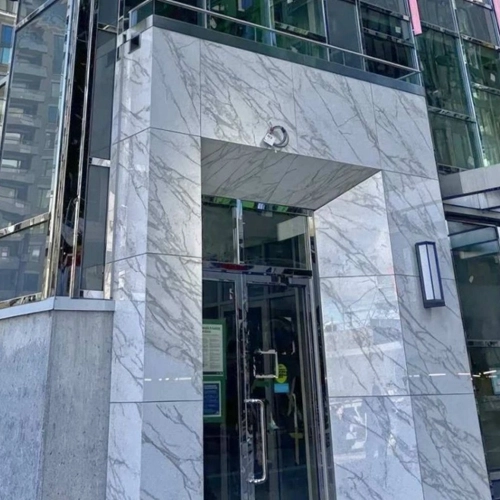
- Commercial building facades
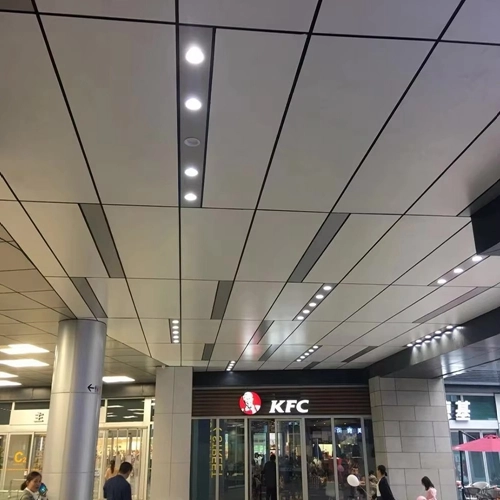
- Airports and metro infrastructure
- Shopping malls and mixed-use developments
Aluminum composite panels combine aesthetics, durability, and lightweight performance for modern green building needs.
Procurement Tips: Choosing More Sustainable Aluminum Composite Panel
Here are some practical tips for purchasing bulk sustainable aluminum composite panels:
- Choose FR or A2 core panels
- Ensure compliance with international standards
- Work with reliable manufacturers
- Focus on long-term value, not just initial cost
Working with an experienced supplier helps ensure better project outcomes. Shingkwang offers professional product selection support.
Future Trends in Aluminum Composite Panels Sustainability
- More recyclable composite structures
- Eco-friendly core material development
- Expansion of recycling systems
- Stronger ESG and green building integration
Conclusion
Aluminum composite panels are partially recyclable, and their sustainability depends on design, specification, and lifecycle management. When properly selected, ACP remains a practical and efficient material for modern construction projects.
Shingkwang provides reliable aluminum composite panel solutions that balance performance, compliance, and sustainability for global projects. Contact Shingkwang today to support your next project.