DE
DE  EN
EN  FR
FR  RU
RU  ES
ES  AR
AR  JA
JA  KO
KO 
Aluminium-Verbundplatten (ACP) are widely used in construction projects, and the aluminum skin thickness is usually the first parameter discussed. While thickness is easy to measure, it is not the most important factor for long-term performance. Bonding strength—the adhesion of aluminum skins to the core material- is critical for durability, safety, and lifecycle value. Ignoring bonding strength can result in repairs, delamination, or even fines. This article explains why bonding strength is more important than thickness, how to assess ACP quality, and how Shingkwang provides dependable, custom ACP solutions for challenging projects.
What Is Bonding Strength in ACP Panels?
Bonding strength in ACP panels refers to the adhesion quality between the aluminum skins and the core material in an ACP panel. It ensures that the panel behaves as a single, stable unit throughout its lifecycle. Strong bonding prevents delamination, warping, and other structural issues that could compromise façade integrity or interior applications.
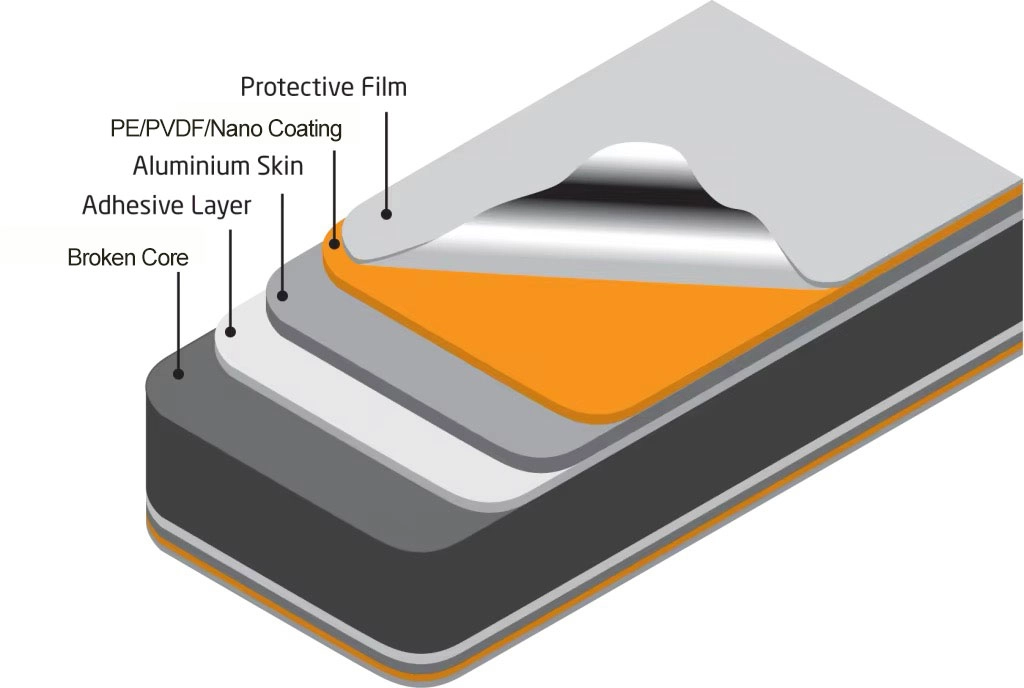
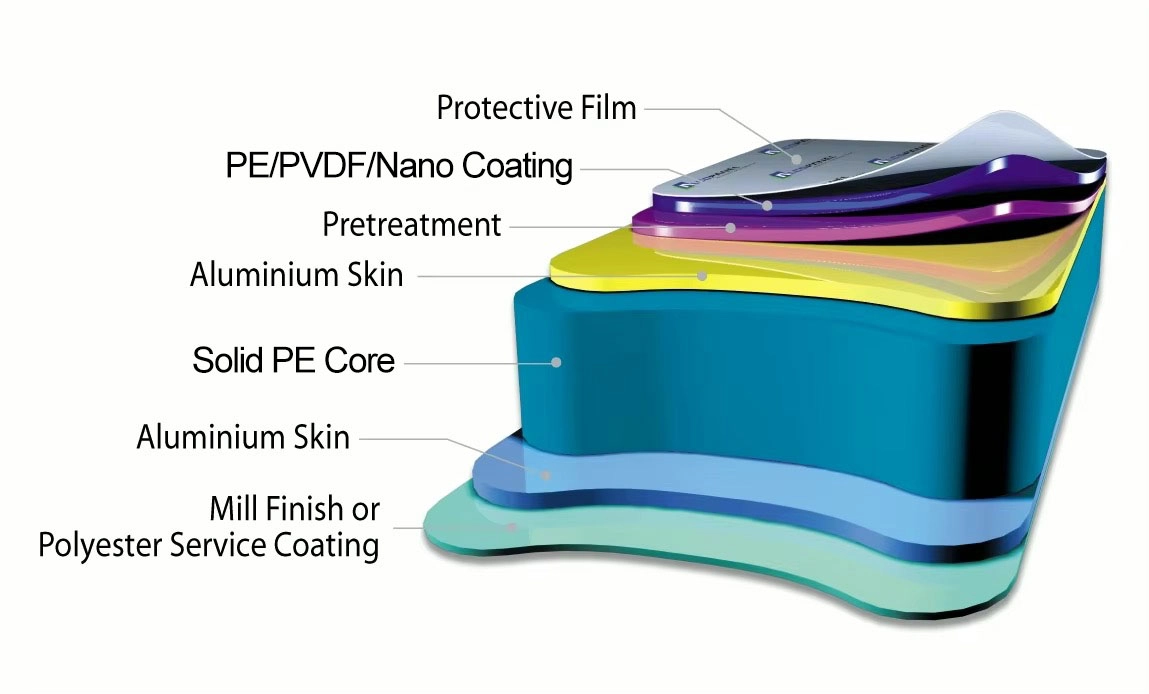
Aluminium-Verbundplatten consist of three main components:
- Aluminum skins (top and bottom layers)
- Kernmaterial (PE, FR, or mineral core)
- Adhesive or bonding film
Quality materials combined with controlled manufacturing processes produce panels with consistent bonding strength. Even thick aluminum skins may fail under thermal expansion, wind pressure, or high humidity without proper bonding.
Why Bonding Strength Is More Important Than Thickness?
Thickness Alone Cannot compensate for Poor Bonding
Many ACP panels with adequate thickness fail prematurely due to weak adhesion between the skin and the core. In high-rise façades or commercial buildings, delamination, blistering, or local separation can occur despite a thick aluminum layer. B2B buyers need to understand that bonding strength in APC panels directly affects long-term performance.
Structural Stability and Safety
High-rise façades, curtain walls, and public buildings are exposed to:
- Continuous wind pressure
- Temperature fluctuations cause expansion and contraction
- UV exposure and humidity variations
Only panels with strong, consistent bonding can maintain structural integrity. For B2B purchasers, this translates to reduced safety risks and lower liability.
Lifecycle Cost and Risk Mitigation
Weak bonding can lead to:
- Project delays during inspections
- Higher maintenance and replacement costs
- Potential legal or contractual disputes
Strong bonding strength ensures stable performance, longer service life, and lower total cost of ownership, especially for large-scale projects.
Key Factors Affecting ACP Bonding Strength
Material Compatibility
The combination of aluminum alloy und core material is critical:
- Aluminum: 3003 or 5005 alloy provides stable mechanical properties
- Core: PE, FR, or mineral cores have distinct adhesion characteristics
A mismatch between aluminum and the core can reduce bonding strength over time.
Adhesive Quality
Die bonding film is the invisible core of ACP performance. High-quality adhesives resist aging, temperature changes, and humidity, ensuring that the panel remains stable and durable.
Manufacturing Process
Bonding strength in ACP panels is influenced by:
- Accurate temperature and pressure control during lamination
- Stable production line performance
Inconsistent processes can produce panels with variable bonding strength, posing risks in B2B projects.
Quality Control Systems
Leading ACP manufacturers implement rigorous QC measures, testing:
- Peel strength
- Flatness
- Overall durability
This ensures batch-to-batch consistency, which is crucial for contractors and distributors.
How Purchasers Can Evaluate ACP Bonding Strength?
Understand Testing Methods
Reliable methods include:
- Peel strength tests
- Bending and shear tests
Reference International Standards
Check ACP panels against:
- GB/T (China)
- EN (Europe)
- ASTM (USA)
Request test reports to validate manufacturer claims rather than relying solely on specifications.
Ensure Sample and Production Consistency
Sample panels may pass tests, but large-scale orders must maintain consistent bonding strength. Top-tier manufacturers like Shingkwang ensure batch uniformity and support third-party testing for critical projects.
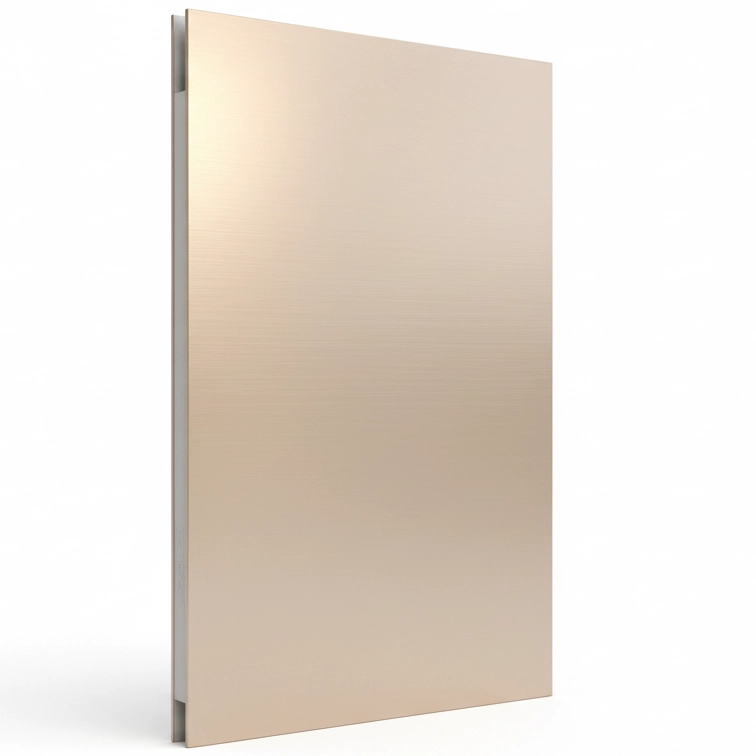
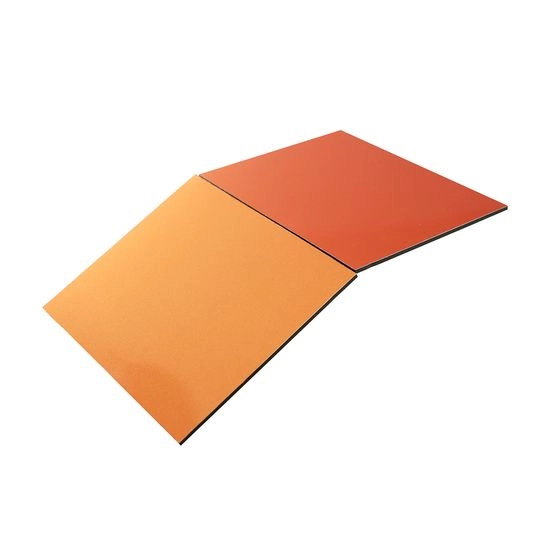
Application-Specific Bonding Strength Requirements
- High-rise façades and curtain walls: maximum bonding for wind and weather resistance
- Commercial complexes and public buildings: long-term stability and safety
- Coastal, high-humidity, or high-temperature regions: materials and processes must resist corrosion and environmental stress
- Interior decoration and signage: moderate load, but consistent adhesion prevents delamination
Matching bonding strength to project needs is critical for B2B buyers seeking cost-effective, durable ACP solutions.
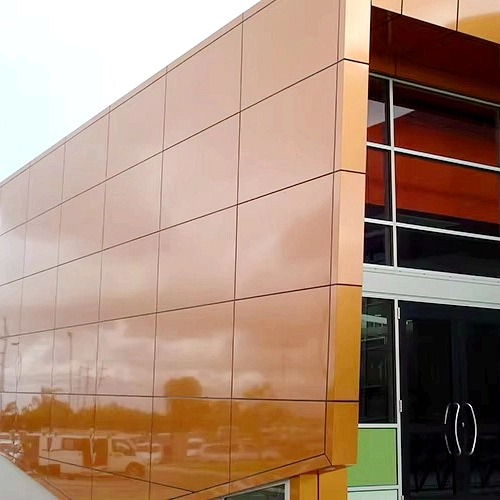
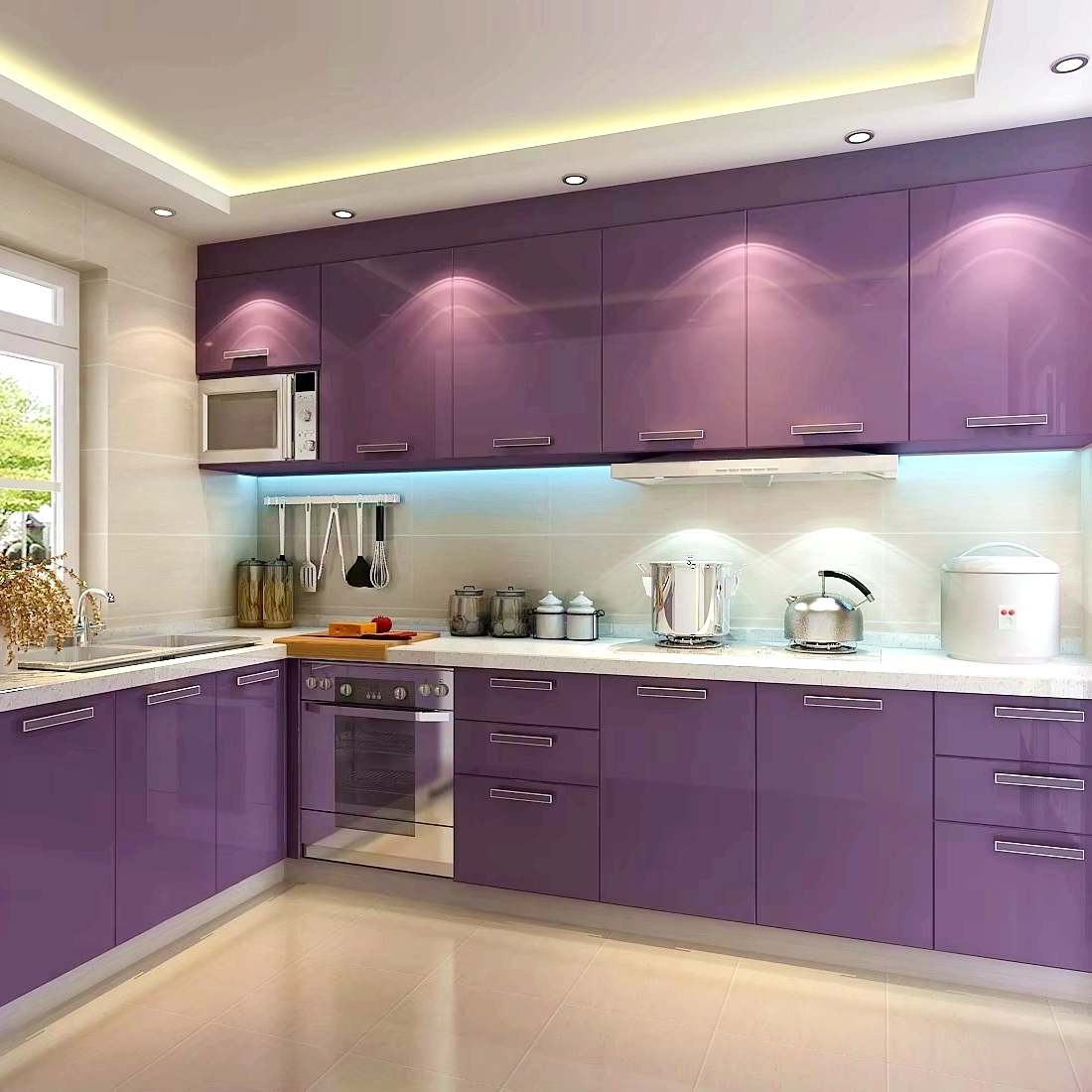
How ShingKwang Ensures High Bonding Strength?
Als professional ACP manufacturer, supplier, and exporter, Shingkwang offers:
Stable Raw Material System
- High-quality aluminum alloys
- PE, FR, and mineral core options
- Traceable and sustainable sourcing
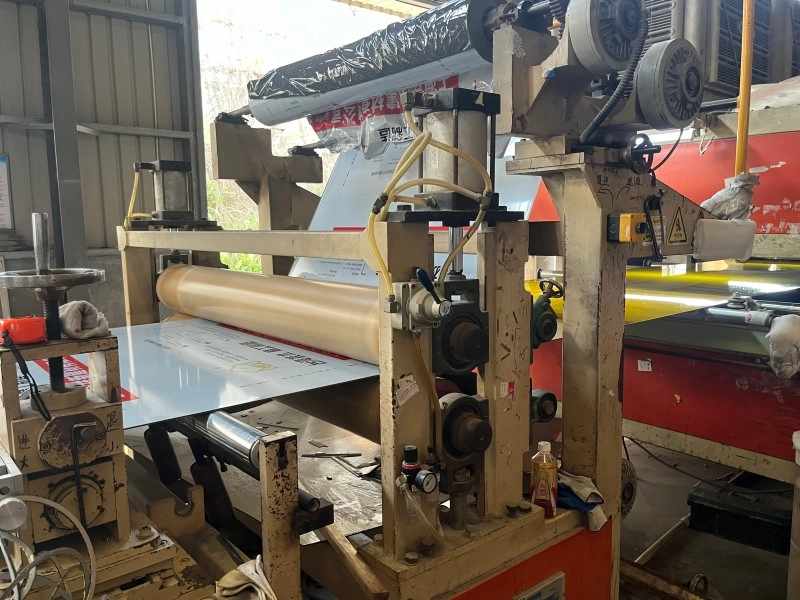
Advanced Production Technology
- Precise temperature and pressure control
- Automated production lines ensure batch consistency
Rigorous Quality Testing
- Peel strength, flatness, and durability testing
- Multiple QC checkpoints before shipment
B2B Customization and Support
- Tailored thickness, size, core type, coating, and color
- Technical support for architects, contractors, and distributors
- Solutions for large-scale construction, signage, and industrial applications
This ensures that every panel delivered meets performance expectations and project compliance requirements.
Schlussfolgerung
Bonding strength in ACP panels is the unseen crux of ACP quality and performance. It is more important than aluminum thickness in ensuring long-term stability, security, and cost efficiency. Choosing an experienced manufacturer and supplier with established quality control procedures is essential. Shingkwang is a leading global supplier of high-quality, durable, and fully customizable aluminum composite panels for façades, interiors, signage, and industrial applications. With reliable bonding strength, consistent quality, and professional support, our ACP solutions help purchasers manage risk, lower lifecycle costs, and succeed in projects. Kontakt today to explore how custom ACP solutions can help your projects meet international standards and sustainability goals.