FR
FR  EN
EN  DE
DE  RU
RU  ES
ES  AR
AR  JA
JA  KO
KO 
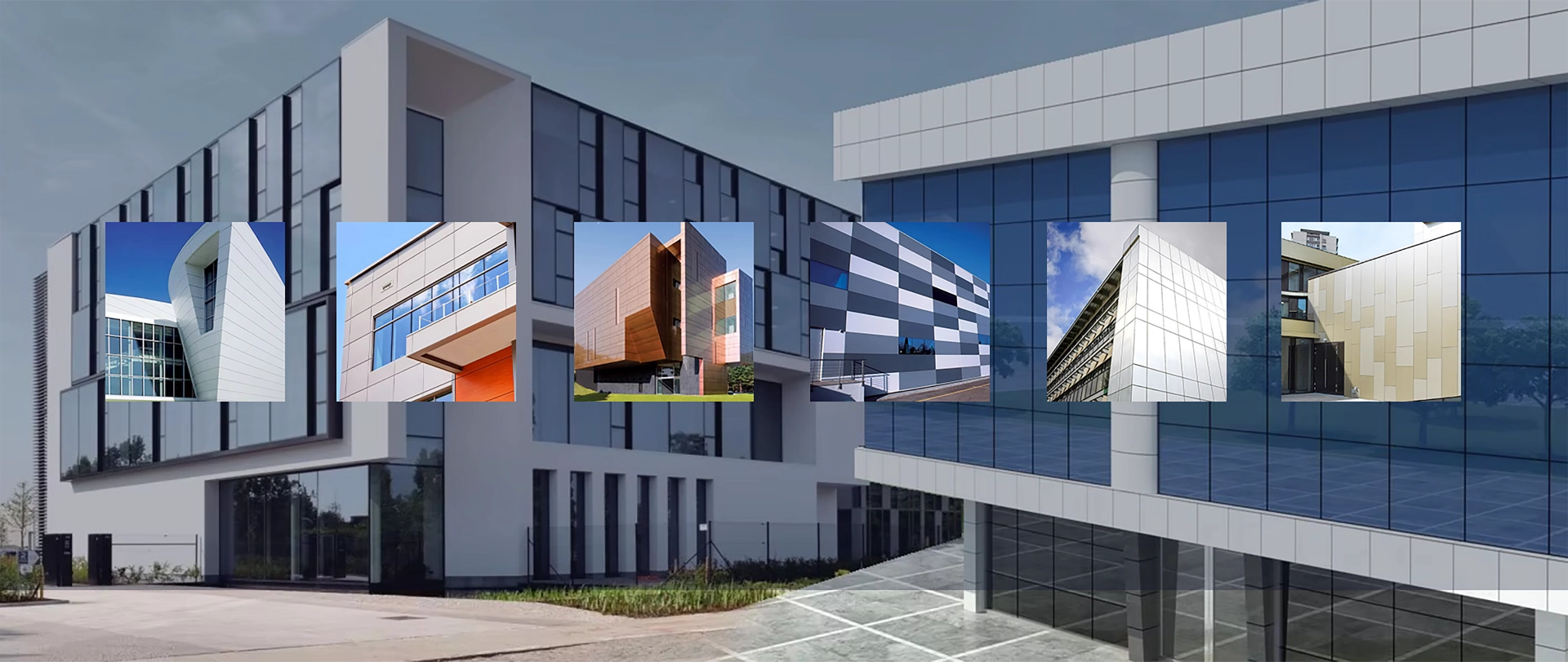
Panneaux composites en aluminium are widely used in modern façades because of their flat appearance and lightweight structure. However, in real construction projects, panel warping after installation is still a common issue that affects both appearance and performance. In most cases, this problem is not caused by a single factor, but by a combination of material selection, engineering design, and environmental stress.
What Does Aluminum Composite Panel Warping Mean?
Warping refers to visible deformation of an aluminum composite panel surface after installation, including bending, uneven façade surfaces, edge lifting, or localized distortion.
In façade engineering, even slight deformation can affect architectural appearance and structural alignment. This makes understanding aluminum composite panel warping causes critical for procurement and project execution.
Material-Related Causes of ACP Warping
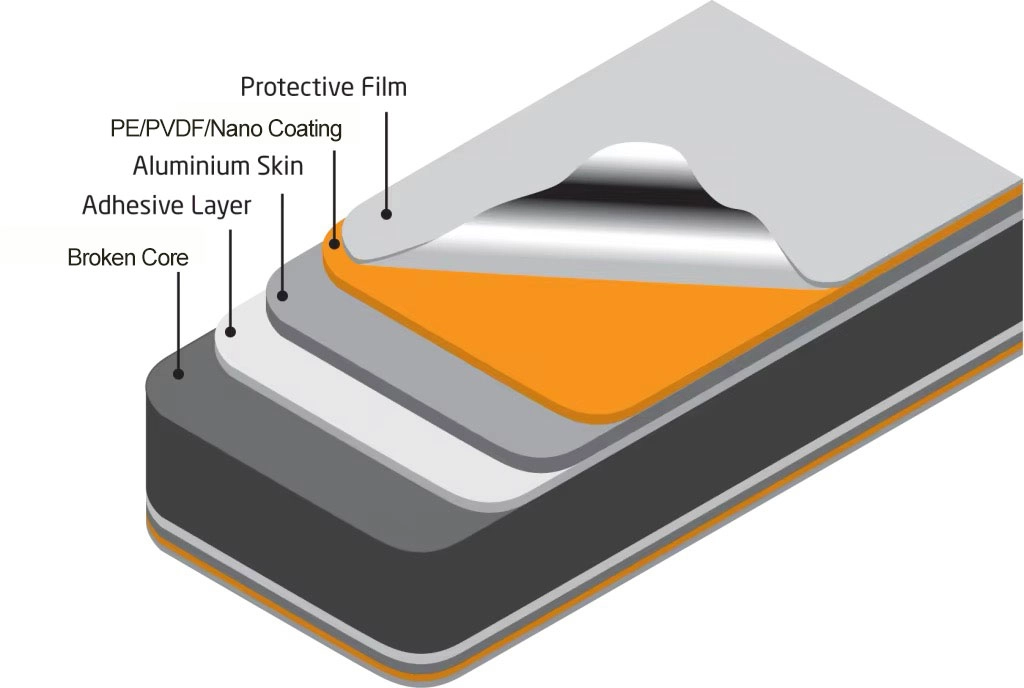
Aluminum Skin Thickness and Alloy Grade
The aluminum skin plays a key role in structural stability. If the aluminum layer is too thin or low-grade, rigidity decreases and long-term deformation risk increases.
High-quality panneaux composites en aluminium typically use stable aluminum alloys such as 3003 or 5005 to ensure better structural performance under external stress.
Core Material Rigidity
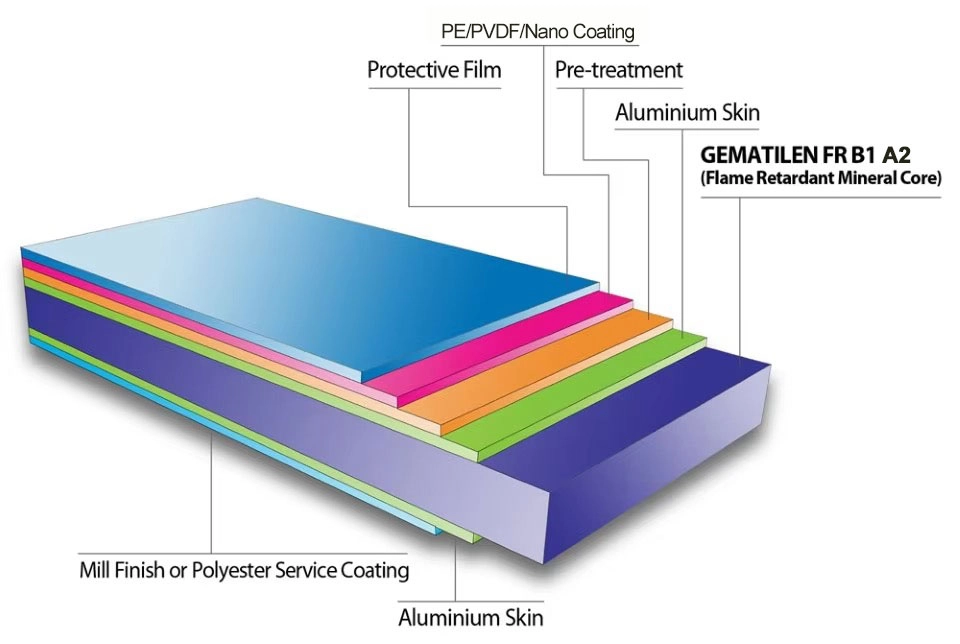
The core layer plays a critical role in maintaining panel balance and stiffness. Different core structures have different performance levels:
- Broken Core (cœur brisé) : lightweight but lower rigidity
- Noyau solide : improved stability for commercial façades
- FR Core: high fire resistance and structural stability
If the core material lacks uniform density or bonding stability, internal stress imbalance can develop, leading to ACP deformation after installation.
Bonding Quality Between Layers
Poor bonding can cause internal separation stress and long-term surface distortion, and reduce structural integrity. This is why professional manufacturers strictly control lamination and adhesion testing.
Engineering-Related Causes of Warping
Improper Subframe Installation
A façade system is only as stable as its supporting structure. If the subframe is not properly aligned:
- uneven force distribution occurs
- panels are installed under stress
- long-term warping becomes inevitable
Even high-quality aluminum composite panels cannot compensate for poor structural design.
Insufficient Expansion Gap Design
Aluminum is a material that expands and contracts with temperature changes. If installation does not allow enough expansion space:
- internal stress builds up
- panel edges may lift
- surface deformation gradually appears
Proper expansion joint design is essential in all exterior façade applications.
Incorrect Fastener Spacing
Fastener placement directly affects load distribution. Common installation mistakes include:
- overly wide spacing between fixing points
- uneven fastening pressure
- rigid fixing without movement allowance
These issues increase localized stress and accelerate aluminum composite panel warping over time.
Environmental Causes of Panel Deformation
Thermal Expansion
Temperature variation causes repeated expansion and contraction, gradually affecting panel flatness.
Wind Load Pressure
High-rise façades experience continuous wind pressure cycles that can deform improperly designed panels.
Moisture and Corrosion
Humidity and coastal environments can weaken bonding performance over time.
How to Prevent Aluminum Composite Panel Warping Before Procurement?
Tip 1: Select Correct Specification
Different project types require different panel structures.
- Exterior façades → PVDF + FR core
- Commercial buildings → PVDF or PE + Solid core
- Interior use → PE + Broken/Solid core
Tip 2: Evaluate Aluminum Thickness
Panel thickness should match wind load, building height, and façade design requirements.
Tip 3: Ensure Fire and Structural Compliance
For high-rise projects, EN 13501 fire-rated materials are often required.
Tip 4: Work with a Manufacturer
A direct fabricant de panneaux composites en aluminium provides better control over production stability, quality consistency, and engineering support.
How Shingkwang Controls Panel Flatness and Stability
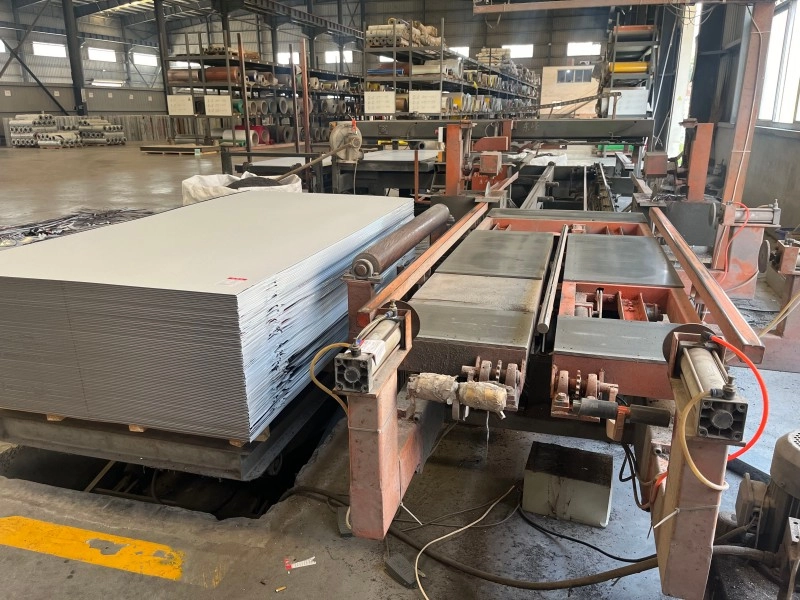
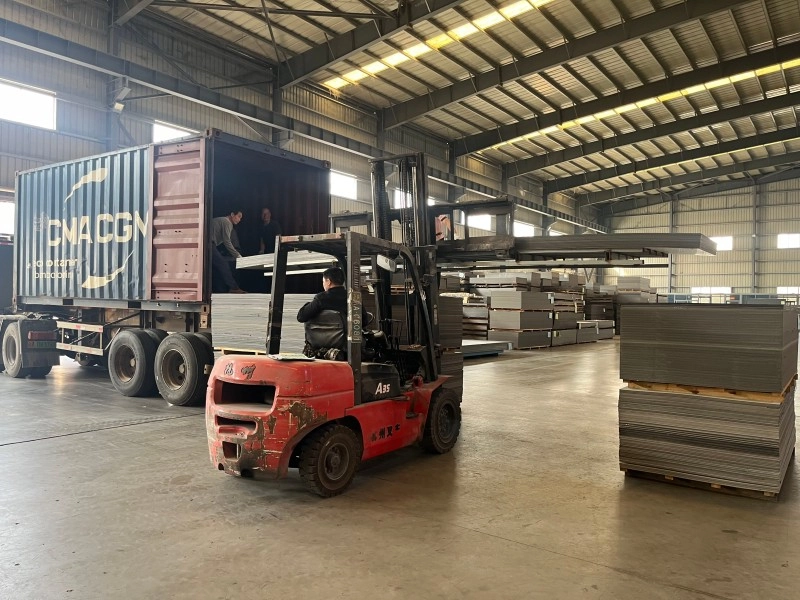
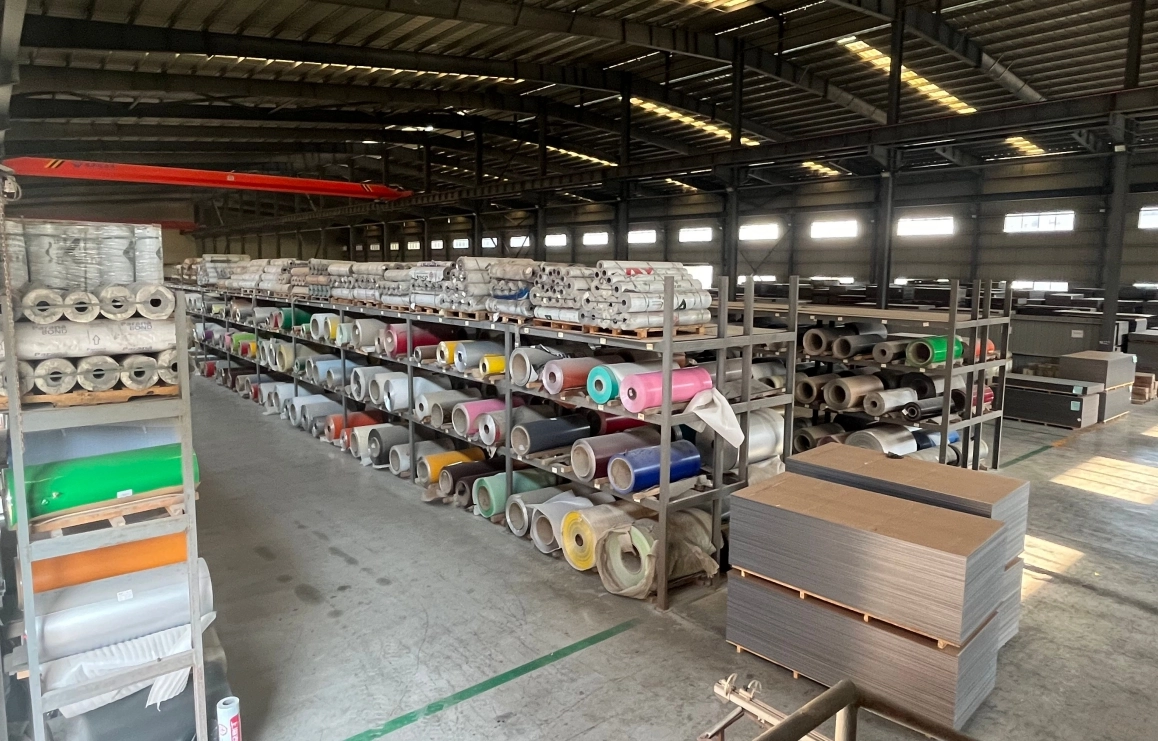
One of the most overlooked risk factors is sourcing. Compared with trading companies, a direct fabricant de panneaux composites en aluminium provides quality products and a better supply chain to reduce project risks.
En tant que professional aluminum composite panel manufacturer, Shingkwang focuses on structural stability and quality consistency.
- Controlled lamination process for stable bonding
- Strict aluminum alloy selection (3003 / 5005)
- Flatness and durability testing for every batch
- Multiple core options: Broken Core, Solid Core, FR Core
These systems ensure long-term façade performance and reduce deformation risk in real construction environments.
Conclusion
Aluminum composite panel warping is not caused by a single issue, but by a combination of material selection, installation engineering, and environmental stress. For procurement managers, the key is to focus on specification accuracy rather than lowest cost.
Choosing a reliable aluminum composite panel manufacturer helps ensure long-term façade stability and reduces lifecycle risk. Shingkwang provides full technical support for façade and construction projects, including material selection, core and coating recommendations, and customized solutions. Contact Shingkwang for a quotation or samples!