EN
EN  FR
FR  DE
DE  RU
RU  ES
ES  AR
AR  JA
JA  KO
KO 
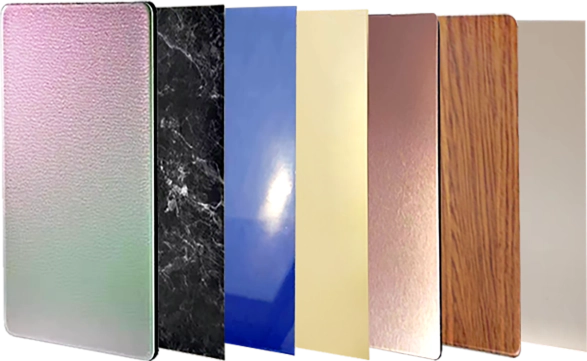
The performance requirements of aluminum composite panels for interior and exterior applications differ significantly, influencing the choice of surface coating and core material. Selecting the right combination is critical for building safety, durability, aesthetics, and long-term cost-effectiveness. For procurement managers in construction, design, and engineering companies, understanding these differences ensures project success and reduces maintenance risks. As a professional aluminum composite panel manufacturer, Shingkwang offers a full range of coating and core options, including Broken Core, Solid Core, and Fireproof Core, tailored to both interior and exterior applications.
Interior vs Exterior Aluminum Composite Panels: Coatings & Performance
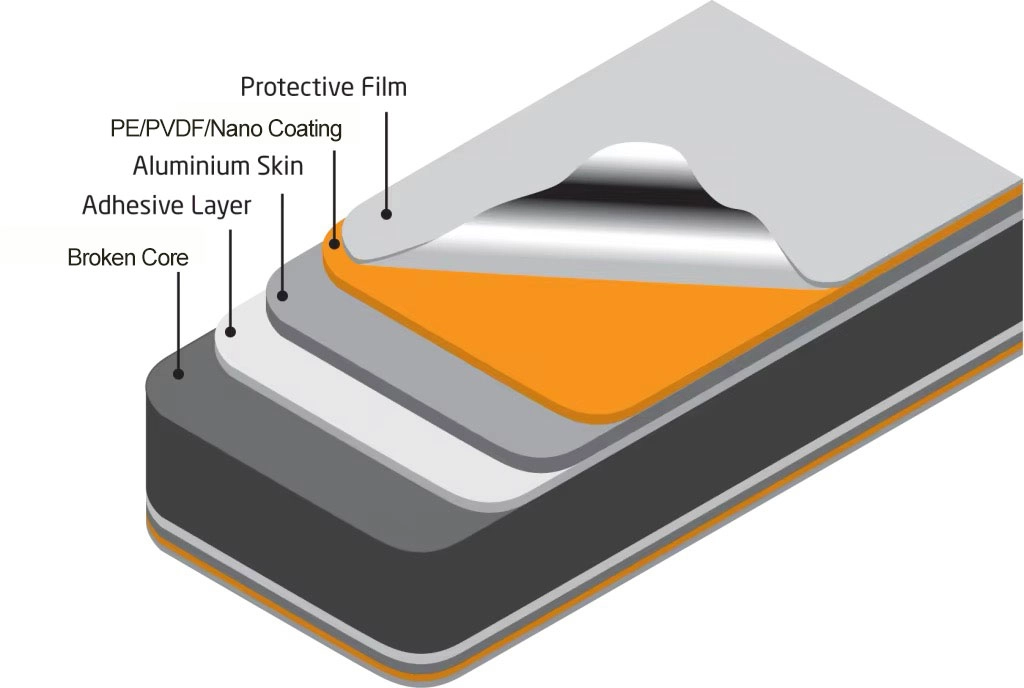
The coating on an aluminum composite panel determines its appearance, weather resistance, UV stability, and cleaning requirements. Selecting an appropriate coating depends on whether the ACP will be installed indoors or outdoors.
Common Aluminum Composite Panel Coating Types
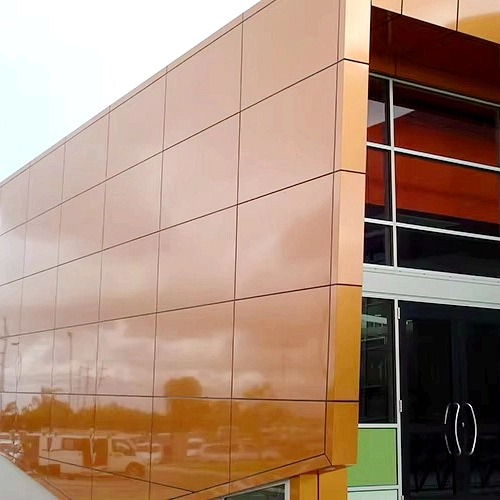
- PVDF (Polyvinylidene Fluoride): Excellent UV resistance, superior color retention, and chemical resistance. Ideal for exterior façades exposed to sunlight, pollution, and moisture.
- PE (Polyester): Cost-effective, suitable for indoor environments where UV exposure is limited.
- Nano Coatings: Provide anti-fingerprint, self-cleaning, or additional surface protection, often used for interior decorative walls or signage applications.
Interior vs Exterior Aluminum Composite Panels Coating Requirements
| Requirement | Interior ACP | Exterior ACP |
|---|---|---|
| UV Resistance | Medium | High |
| Color Retention | Medium | High |
| Ease of Cleaning | Medium | High |
| Cost Sensitivity | Optimizable | Prioritize durability |
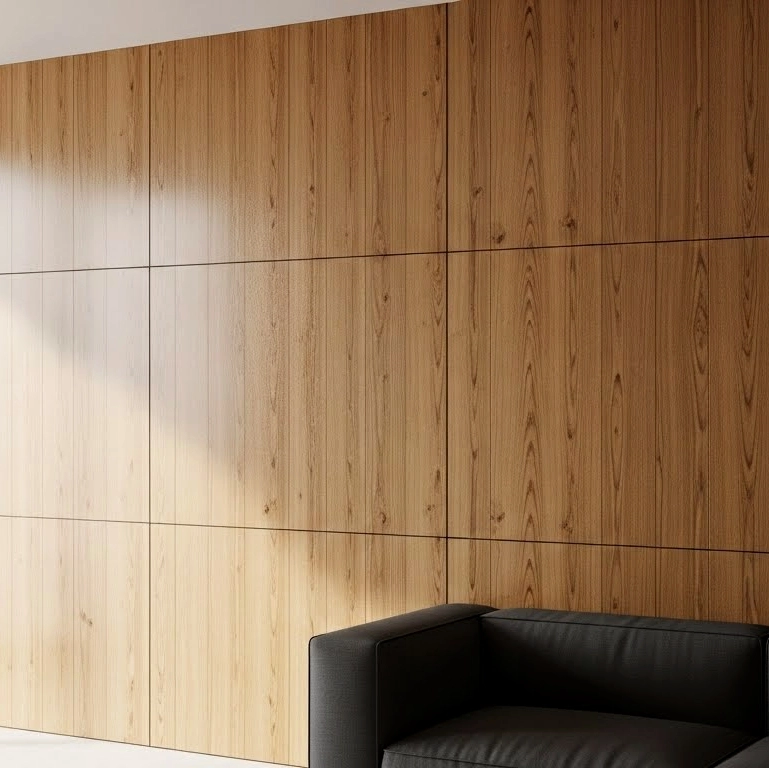
For interior projects, PE-coated ACP or low-VOC coatings may suffice, offering a balance between cost and safety. Exterior projects require PVDF coatings to withstand long-term weathering, maintain color, and reduce maintenance needs.
Interior vs Exterior Aluminum Composite Panels: Core Materials and Safety Considerations
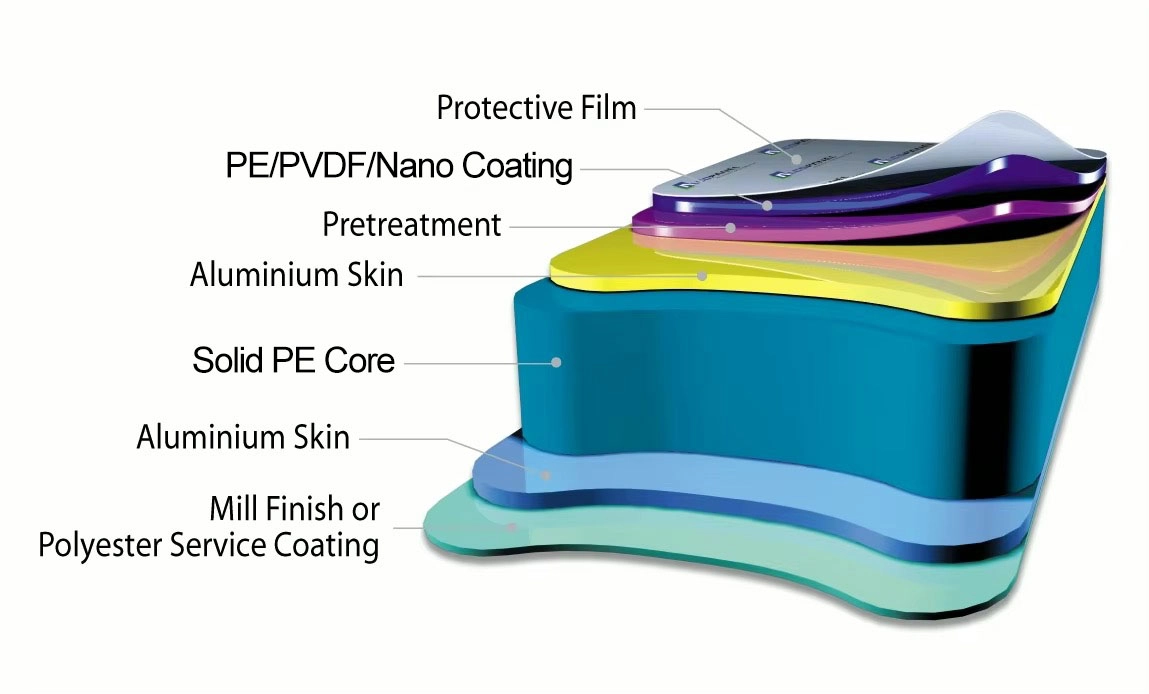
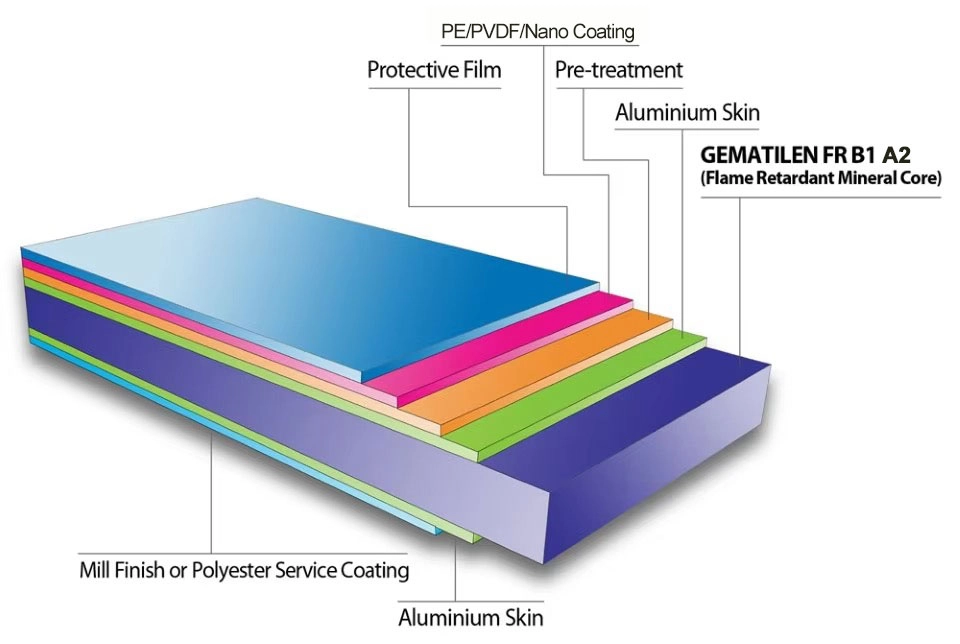
The core of an ACP panel plays a key role in fire resistance, rigidity, impact performance, and environmental compliance. Shingkwang provides three main core types to match project requirements:
Broken Core
- Lightweight and cost-effective
- Suitable for interior decorations, signage, or non-fire-rated areas
- Offers moderate rigidity for low-rise or non-structural applications
Solid Core
- Provides higher rigidity and moderate fire resistance
- Suitable for general commercial façades, interior high-traffic walls, or functional partitions
- Balances durability and cost for mid-range projects
Fireproof Core
- High fire resistance (compliant with A2/B fire safety regulations)
- Recommended for high-rise buildings, public facilities, and exterior applications with strict safety requirements
- Ensures compliance with local and international fire codes
Matching Aluminum Composite Panel Core with Coating
| Core Type | Key Performance | Recommended Applications |
|---|---|---|
| Broken | Lightweight, economic | Interior walls, signage, exhibition panels |
| Solid Core | Stable, moderate fire protection | Commercial façades, interior functional areas |
| FR / Fire Rated | High fire resistance | High-rise exterior, public buildings |
Typical Application Scenarios and Recommended Aluminum Composite Panel Combinations
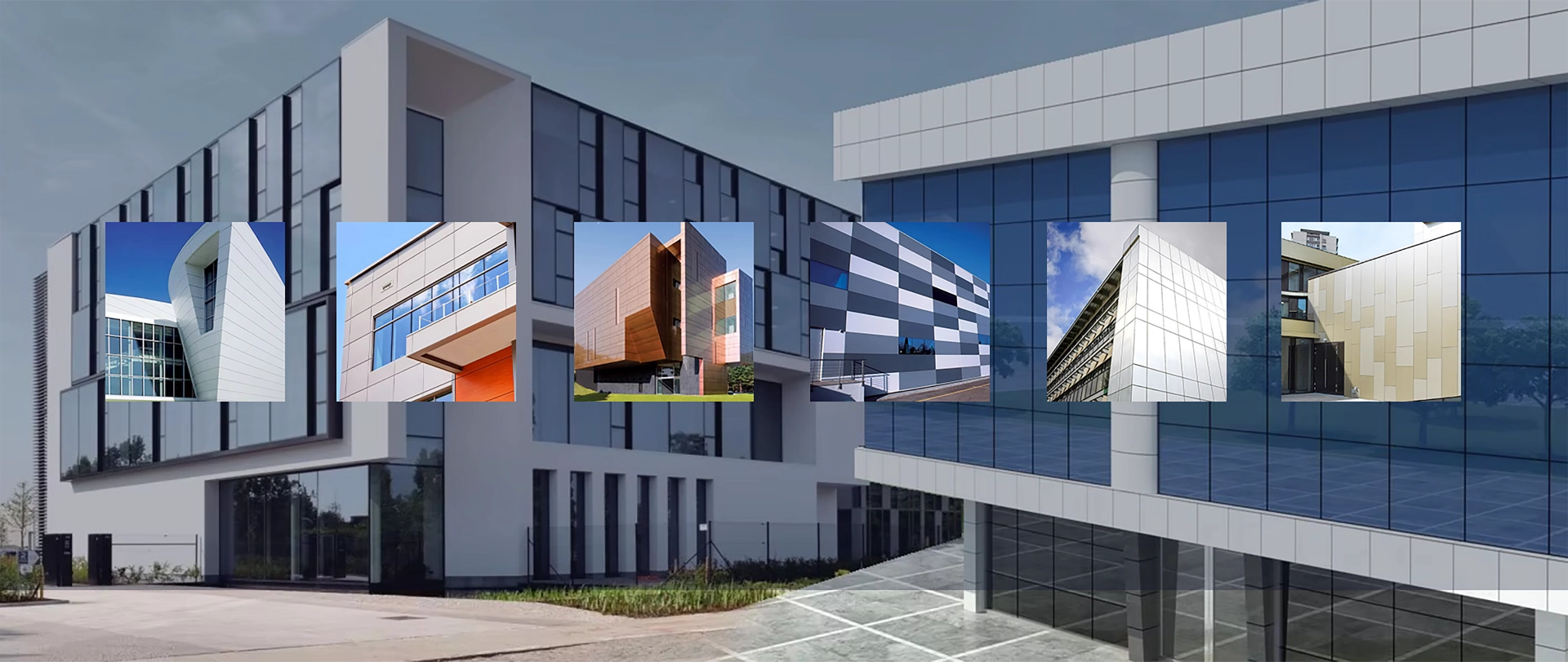
Exterior Facades
Recommended Combination: PVDF coating + Solid or FR Core
- Challenges: UV exposure, wind load, rain, and fire regulations
- Selection Considerations: Ensure adequate aluminum thickness, fire rating, and flatness
- Shingkwang can customize PVDF-coated FR Core ACP for high-rise façades, meeting strict safety and durability standards
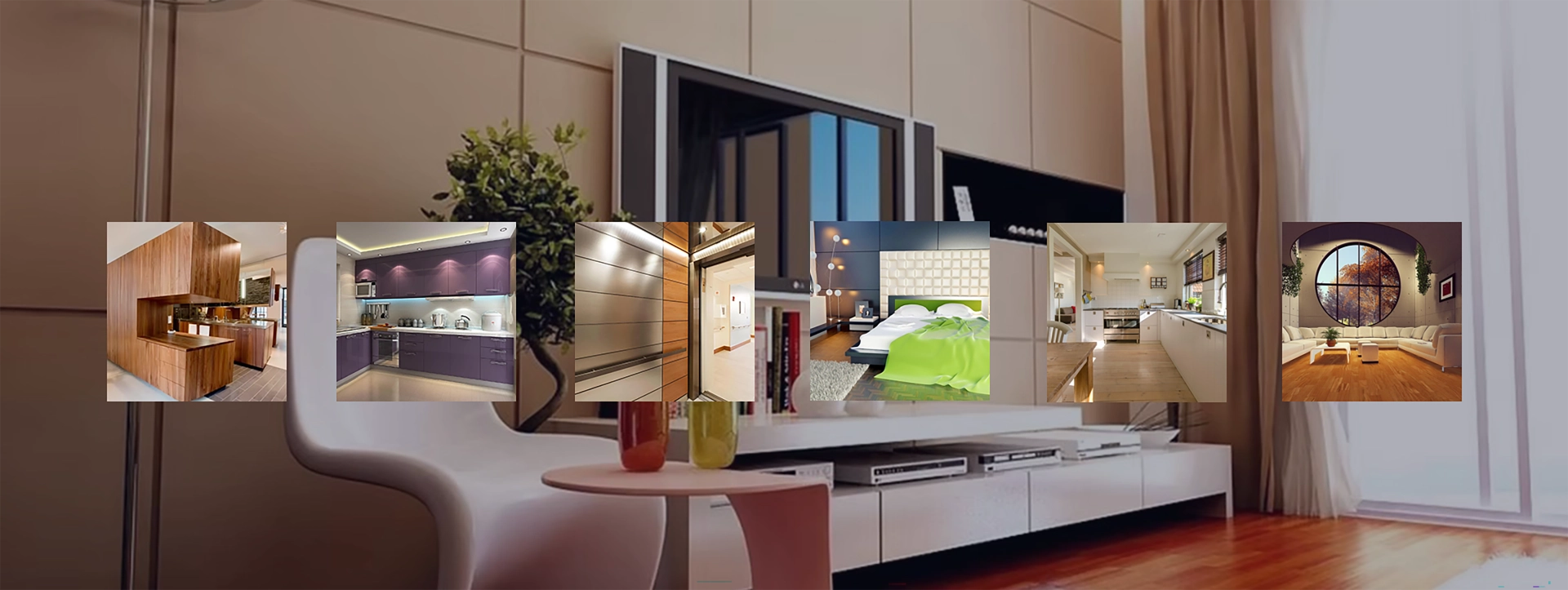
Interior Public Spaces (Malls, Airports, Offices)
Recommended Combination: Broken or Solid Core + PE / Nano Coating
- Focus: Low VOC emissions, surface aesthetics, ease of maintenance
- Core selection depends on fire safety requirements and expected traffic
Signage and Displays
Recommended Combination: Broken Core + PE / Nano Coating
- Focus: Easy fabrication, bending, and routing
- High-quality surface finish and color retention are key for branding

Industrial and Functional Applications
Recommended Combination: PVDF / PE + Solid or Fireproof Core, depending on environment
- Focus: Corrosion resistance, stability, long-term durability
- Applicable to equipment enclosures, factory partitions, and transportation hubs
Aluminum Composite Panel Procurement Tips for B2B Buyers
- Evaluate Coating Performance: Thickness, UV resistance, and functional properties
- Select Core According to Safety Requirements: Fire rating, rigidity, and project type
- Check Technical Specifications: Aluminum alloy grade, thickness, flatness, and bonding strength
- Request Samples and Certification: Verify coatings and core material performance
- Engage with the Manufacturer Early: Technical consultation reduces installation risks and ensures compliance
How Shingkwang Supports Aluminum Composite Panel Applications?
- Coating Options: PVDF, PE, Nano aluminum composite panel for interior and exterior applications
- Core Options: PE / Broken Core, Solid Core, Fireproof / Fire Rated Core aluminum composite panel
- Customization: Colors, sizes, thicknesses, and finishes
- Quality Assurance: Flatness, bonding strength, and durability inspections
- Technical Support: Guidance for contractors, architects, and distributors from material selection to installation
These capabilities allow Shingkwang to support façades, interior décor, signage, and industrial applications, ensuring long-term performance, compliance, and visual consistency.
Conclusion
Specifying the correct pairing of coating and core is key when it comes to choosing aluminum composite panels for your interior or exterior application. Interior aluminum composite panels need to be stronger on aesthetics, low VOC emissions and cost effectiveness, while exterior ones should have outstanding UV resistance, weather durability and fire safety.
Partnering with a reliable manufacturer like Shingkwang ensures that procurement managers receive customized, high-performance aluminum composite panel solutions that meet regulatory requirements, reduce long-term risks, and maintain visual appeal. By aligning the right coating with the appropriate core material, B2B buyers can achieve both functional performance and cost-effective project outcomes.