JA
JA  EN
EN  FR
FR  DE
DE  RU
RU  ES
ES  AR
AR  KO
KO 
アルミ複合パネル are widely used in modern façade and architectural projects because of their flat appearance, lightweight structure, and design flexibility. However, in real construction environments, performance issues can still occur when materials, installation, or design are not properly controlled. Understanding how and why aluminum composite panel failures happen is essential for contractors, architects, and procurement managers to avoid costly project risks.
What “Failure” Means in Aluminum Composite Panels?
In construction engineering, aluminum composite panel failure does not always mean complete breakdown. It refers to any condition where the panel no longer performs as intended in terms of:
- Structural stability
- Surface flatness
- Weather resistance
- Fire safety compliance
- Aesthetic consistency
These issues often appear gradually after installation and can significantly impact façade performance and maintenance costs.
Delamination: Separation Between Layers
Delamination is one of the most critical types of ACP material failure. It occurs when the aluminum skin separates from the core material.
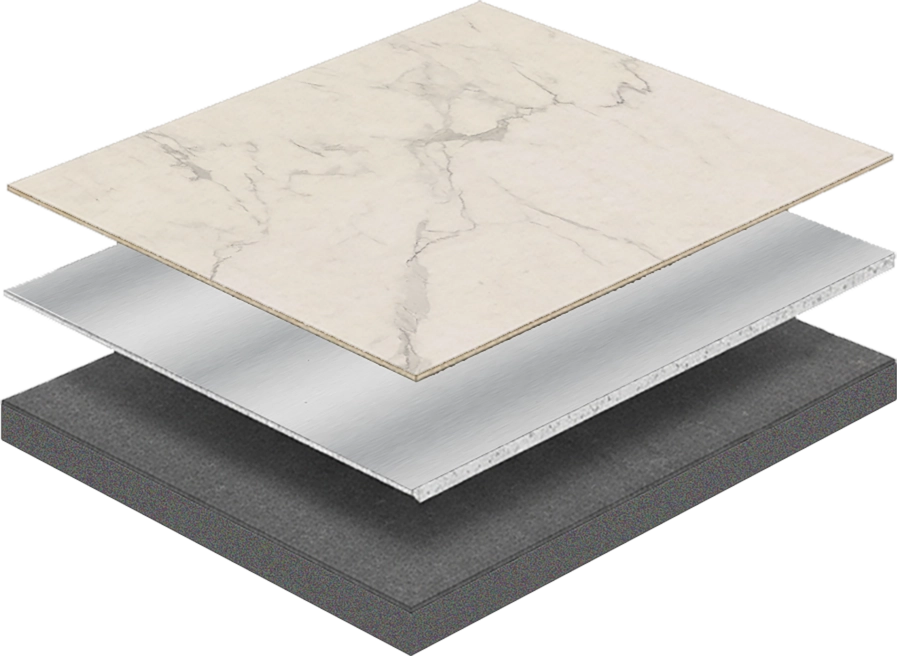
Main Causes:
- Low-quality adhesive or bonding system
- Improper lamination temperature control during production
- Long-term exposure to moisture and thermal cycling
Impact:
Once delamination occurs, panel structural integrity is permanently weakened, often requiring full replacement of façade sections.
Warping and Deformation
Warping refers to visible bending or distortion of aluminum composite panels after installation, often affecting façade flatness and alignment.
Main Causes:
- Incorrect aluminum skin thickness selection
- Insufficient subframe support
- Improper expansion gap design
- Thermal expansion stress
Prevention:
Proper engineering design and selecting a stable アルミ複合板メーカー with strict flatness control can significantly reduce deformation risk.
Color Fading and Surface Degradation
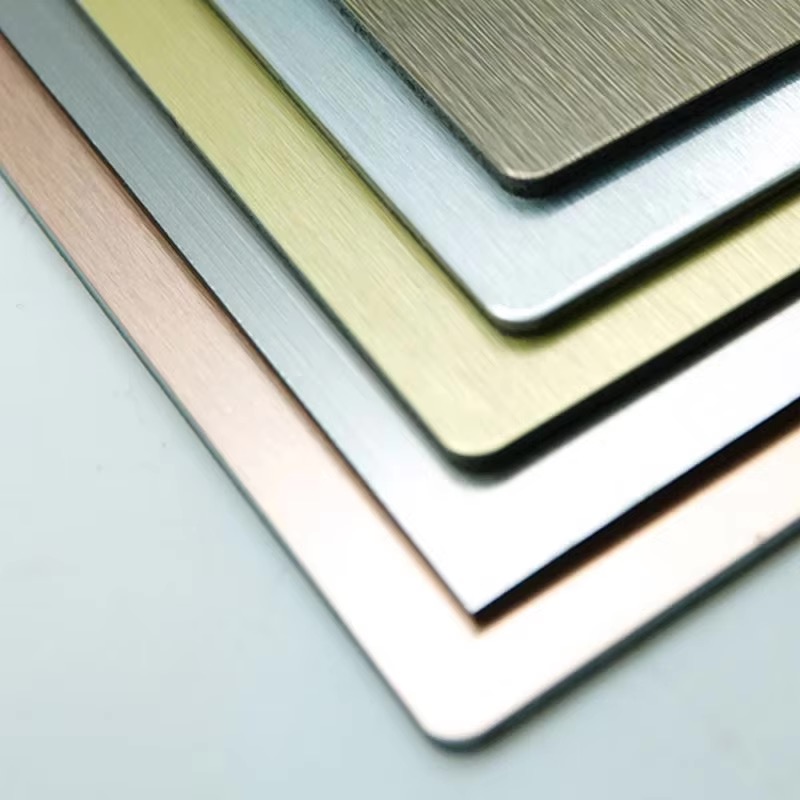
Color fading is a common issue in low-quality exterior panels exposed to UV radiation and environmental pollution.
Main Causes:
- Low-grade PE coating instead of PVDF coating
- Insufficient UV resistance of surface finish
- Inadequate coating thickness control
Impact:
Fading reduces architectural appearance quality and may lead to premature façade renovation.
Fire Safety Non-Compliance
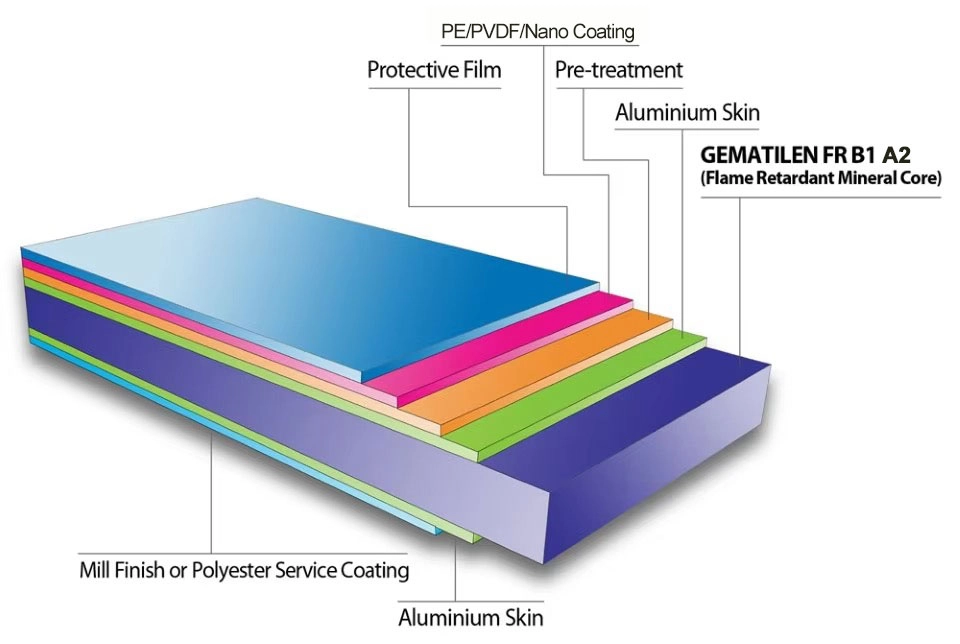
Fire performance failure is one of the most serious risks in aluminum composite panel applications, especially in high-rise buildings and public infrastructure projects.
Main Causes:
- Use of non-FR (non-fire-rated) core materials
- Panels not meeting EN 13501 fire classification
- Improper system integration in façade design
Risk:
Non-compliance can lead to project rejection, legal liability, or forced façade replacement.
Installation-Related Failures
Even high-quality aluminum composite panels can fail if installation is not properly executed.
Common Issues:
- Incorrect fastener spacing
- Improper subframe alignment
- No allowance for thermal expansion
- Uneven pressure during fixing
These errors often result in long-term structural stress and surface instability.
How to Prevent Aluminum Composite Panel Failures?
Choose the Right Material System
- PVDF coating for exterior façades
- FR core for high-rise and public buildings
- Solid core for general commercial applications
Evaluate Manufacturer Capability
Working with a reliable aluminum composite panel manufacturer ensures better control over bonding quality, flatness, and production consistency.
Engineering Design Optimization
Proper façade design, including subframe structure and expansion joints, is essential to prevent long-term deformation and stress accumulation.
Quality Verification Before Installation
Procurement teams should always request:
- Material certification
- Fire rating reports
- Coating performance data
- Sample testing confirmation
How Shingkwang Reduces Project Risk
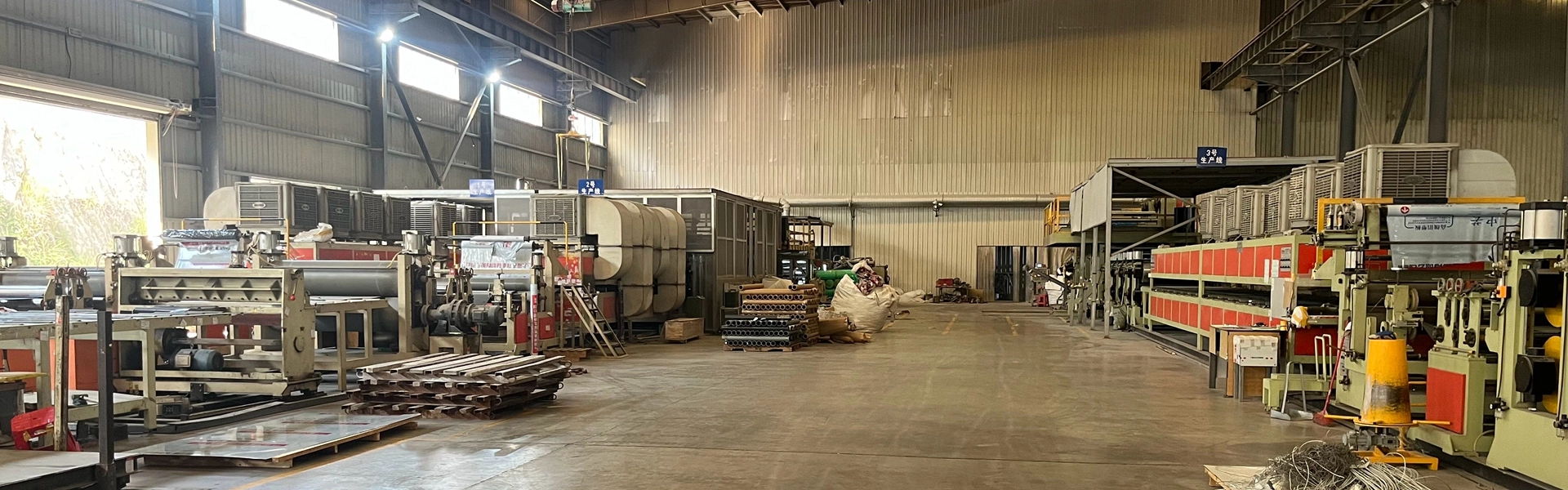
として professional aluminum composite panel manufacturer, Shingkwang focuses on preventing failure at the production level rather than fixing issues after installation.
- Strict lamination process control for stable bonding
- High-grade aluminum alloy selection (3003 / 5005)
- Multiple core options including Broken Core, Solid Core, and FR Core
- PVDF coating systems for long-term durability
- Batch-level flatness and quality inspection
These controls help ensure stable façade performance across different construction environments.
結論
Aluminum composite panel failures are rarely caused by a single factor. They usually result from a combination of material selection, engineering design, installation practices, and environmental stress.
For procurement managers and project contractors, the key is to focus on system-level reliability rather than just material price.
Choosing a qualified aluminum composite panel manufacturer helps reduce long-term risks and ensures consistent façade performance throughout the building lifecycle. 新光 provides professional support for façade and construction projects, including material selection guidance, technical consultation, and customized aluminum composite panel solutions.Feel free to コンタクト for samples or quotation!