KO
KO  EN
EN  FR
FR  DE
DE  RU
RU  ES
ES  AR
AR  JA
JA 
In the competitive world of construction and architectural projects, material quality directly relates to the long-term durability, aesthetics, and cost of a project. Selecting the right 알루미늄 복합 패널(ACP) is not just about price but a strategic decision impacting project success, regulatory compliance, and lifecycle value. With applications from building façades and interior cladding to signage and industrial uses, evaluating ACP quality is essential for contractors, architects, distributors, and project managers.
1. Aluminum Thickness & Alloy Grade
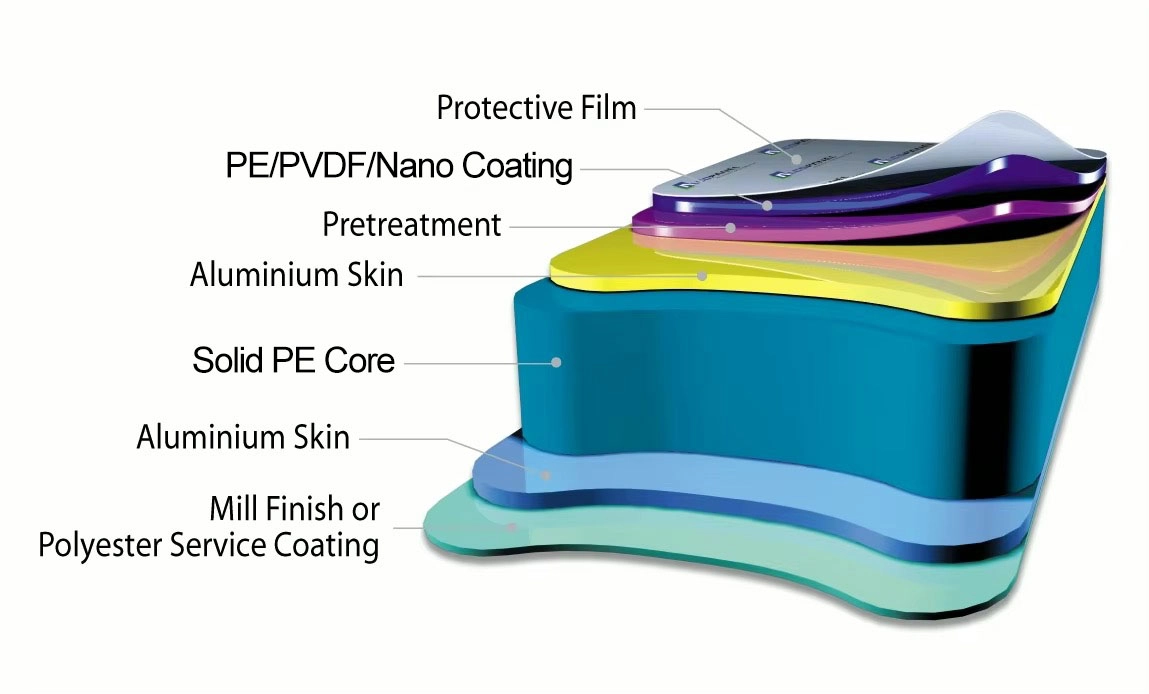
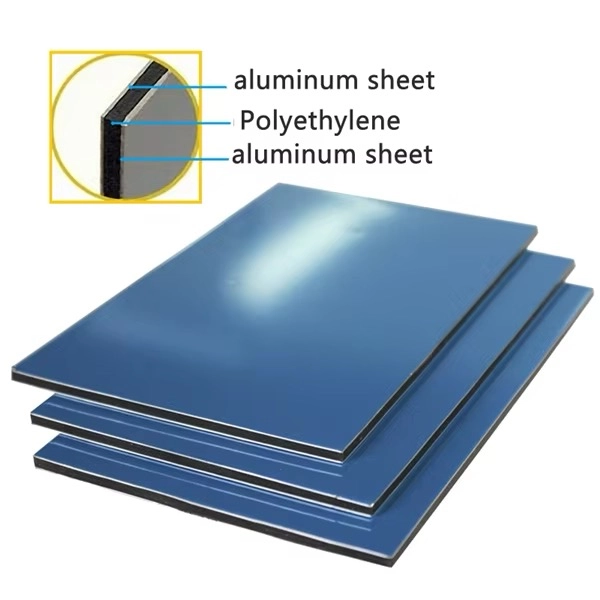
When evaluating ACP, consider the aluminum skin thickness and alloy grade. Common alloys like 3003 and 5005 offer excellent corrosion resistance and mechanical stability. Thicker skins absorb greater impact, provide structural stability, and withstand extreme weather conditions. For large-scale projects, B2B purchasers should consult their ACP supplier to determine the appropriate thickness based on building height, wind loads, and façade requirements.
2. Core Material and Fire Performance
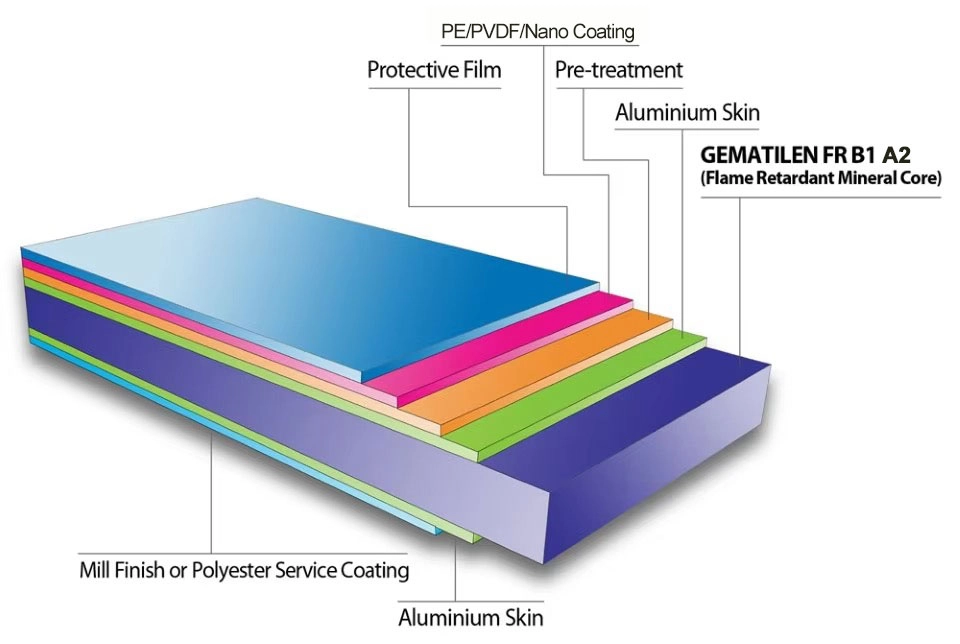
The ACP core significantly affects fire safety, rigidity, and environmental compliance. Common cores include:
- 깨진 코어: Lightweight and cost-effective; suitable for low-rise interior or decorative projects.
- Firproof Core: Fire-resistant core for Class B or A2 ratings; ideal for high-rise buildings and public facilities.
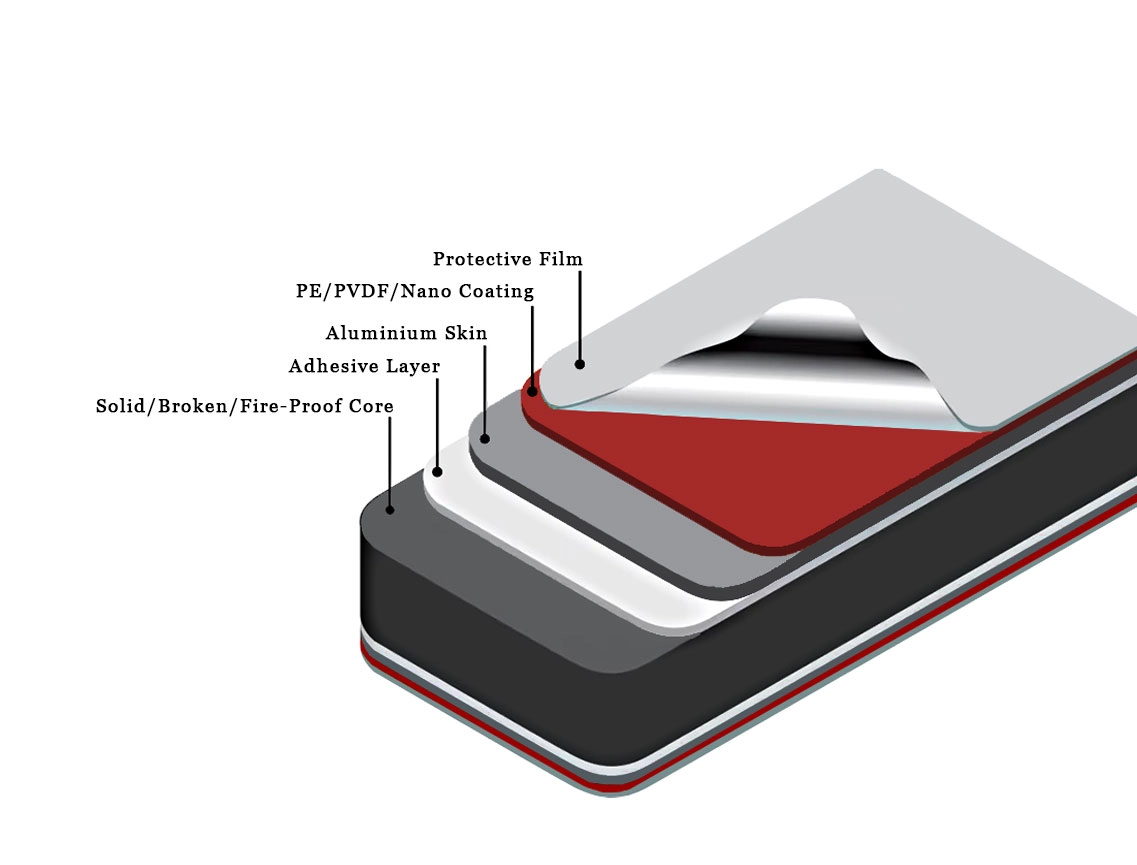
Choosing the correct core ensures compliance with fire regulations and long-term occupant safety.
3. Surface Coating Performance
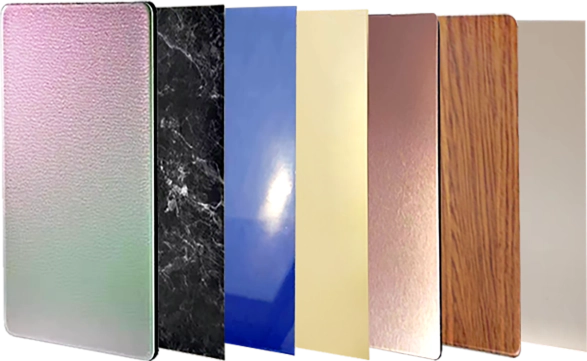
The ACP’s surface coating defines appearance, weather resistance, and maintenance. Common coatings include:
- PVDF: Excellent UV resistance, color retention, and chemical resistance; ideal for outdoor façades.
- Polyester (PE): Inexpensive; suitable for interior or low-exposure applications.
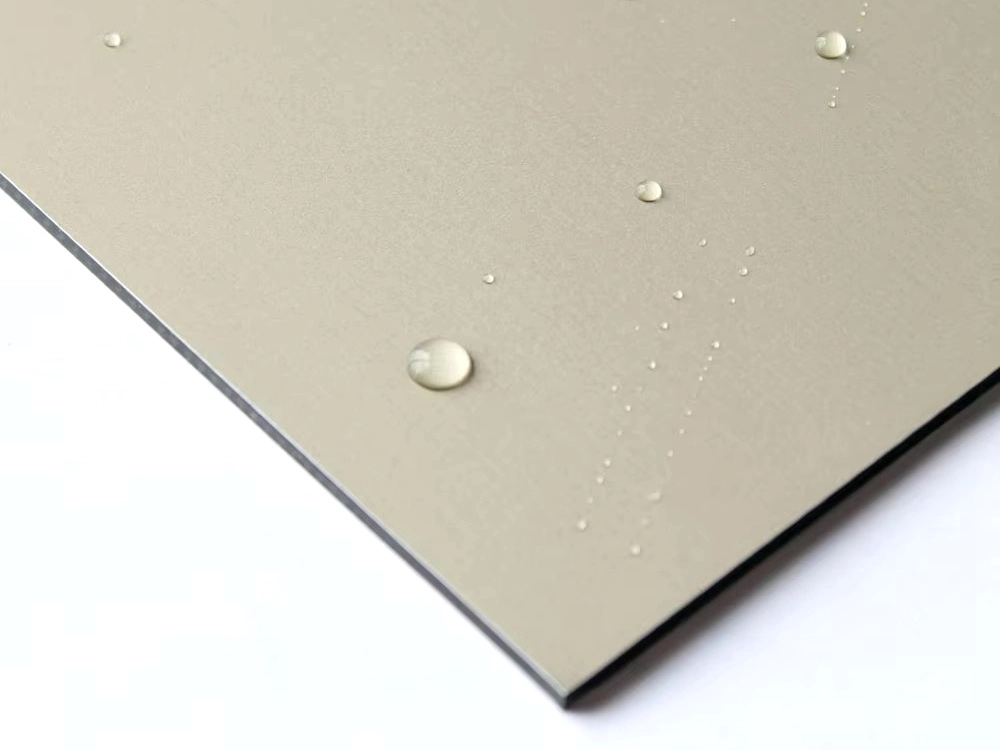
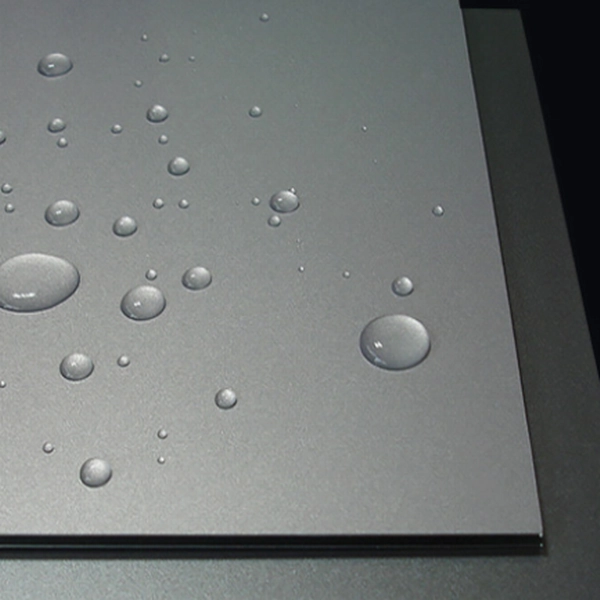
- Nano Coatings: Anti-fingerprint and self-cleaning properties for modern interiors and signage.
Understanding coating properties helps purchasers ensure long-term aesthetics and functionality.
4. Flatness and Bonding Strength
Flatness affects installation precision and façade uniformity; warped panels compromise design integrity. Bonding strength between aluminum skins and the core ensures structural stability and prevents delamination. Reliable ACP manufacturers test bonding strength and flatness using international standards.
5. Fire and Safety Certifications
High-rise and public buildings may require certified fire-resistant ACP panels. Check against:
- EN 13501-1 (Europe)
- ASTM E84 (USA)
- GB/T standards (China)
Certified ACP panels reduce project risk and ensure regulatory compliance.
6. Sustainability and Environmental Performance
With ESG compliance becoming critical, sustainable ACP is in demand. Key factors include:
- Recyclable aluminum skins
- Low-VOC coatings
- Environmentally friendly core materials
Sustainable ACP supports green building certifications such as LEED and BREEAM and aligns with corporate sustainability objectives, particularly for international projects.
7. Practical Evaluation Methods for B2B Purchasers
- Supplier Evaluation: Review certifications, production capability, and technical expertise of ACP manufacturers.
- Request Samples and Test Reports: Assess coating performance, core fire rating, bonding strength, and flatness.
- Third-Party Testing: Independent lab tests validate supplier claims for critical projects.
- Reference Projects: Evaluate past installations for performance and reliability.
8. Matching ACP to Project Requirements
Different projects require specific ACP specifications:
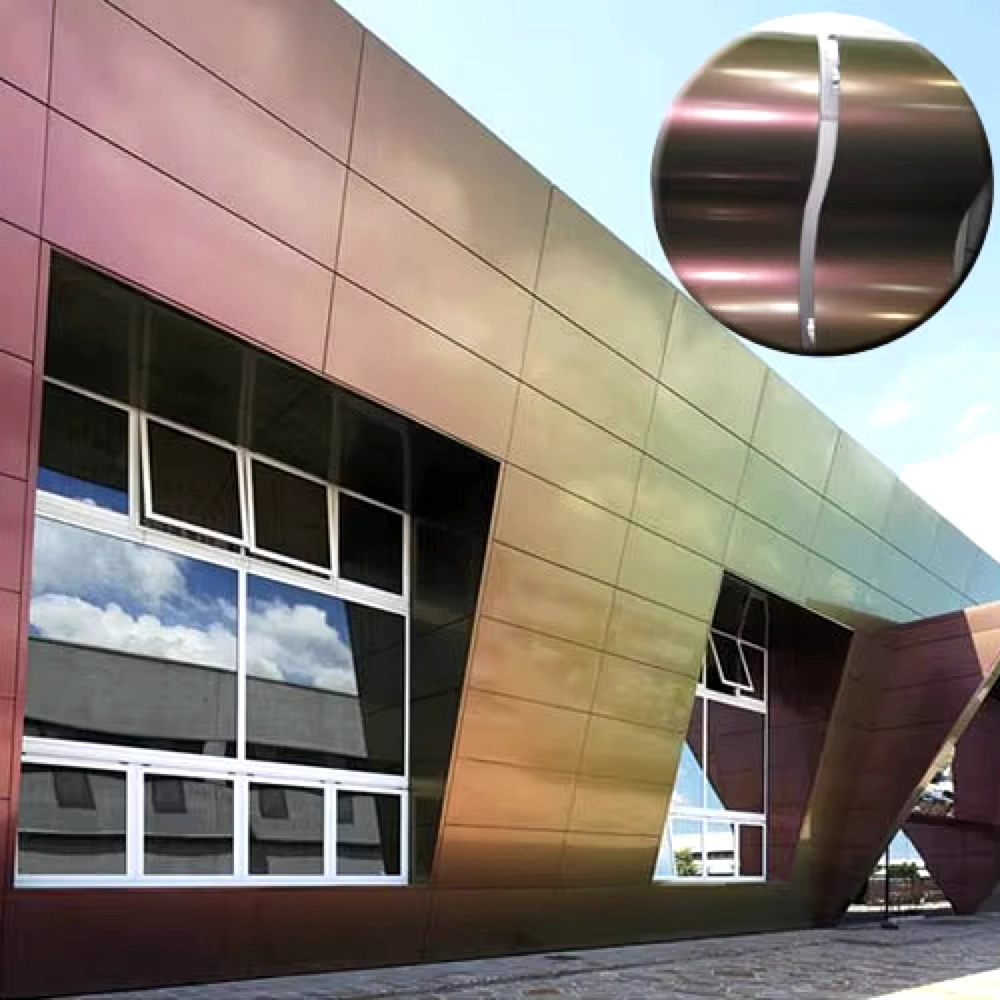
- High-rise façades: FR or mineral core with PVDF coating for fire resistance and durability.
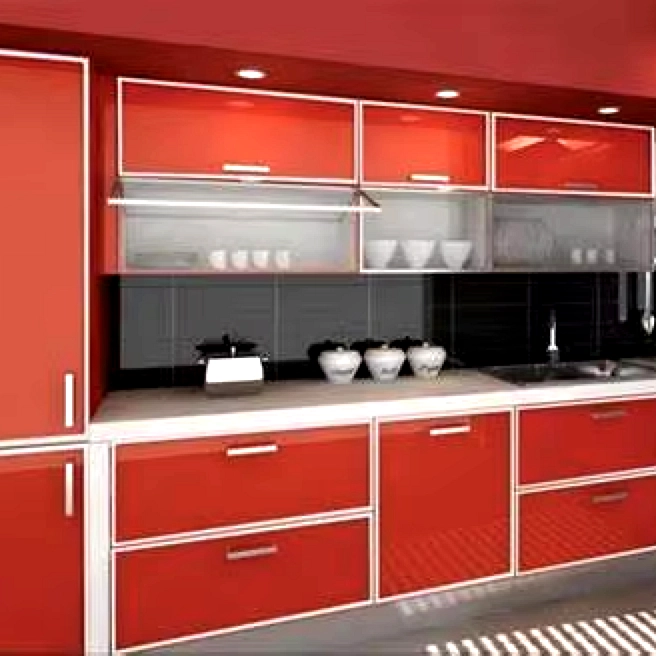
- Interior decoration: PE core with low-VOC coating for safe indoor air quality.
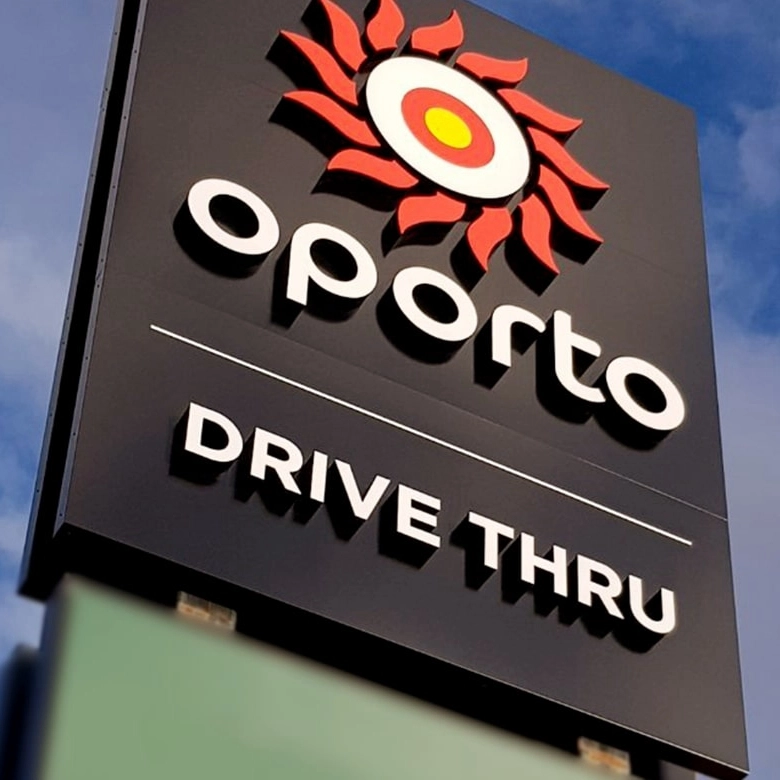
- Signage and industrial applications: Lightweight panels with corrosion-resistant coatings.
9. How ShingKwang Supports B2B Purchasers for ACP
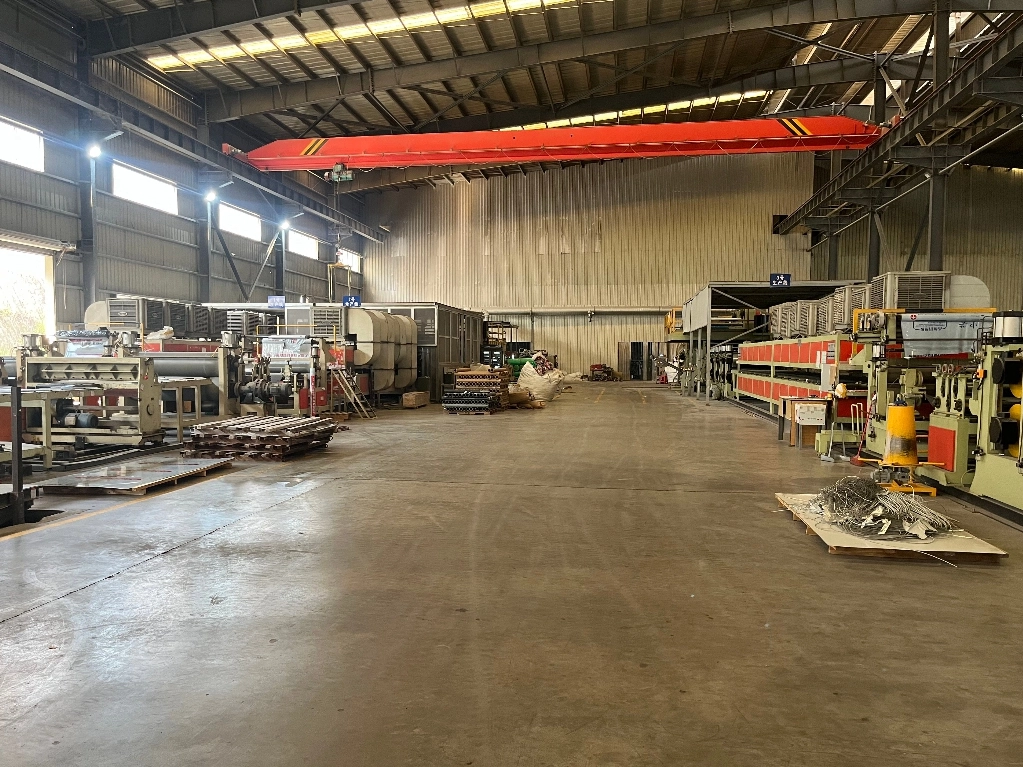
로서 professional ACP manufacturer and supplier, Shingkwang provides:
- Recyclable aluminum skins with stable alloy grades
- Coating options: PVDF, PE, Nano
- Core options: PE, FR, Mineral
- Custom colors, thickness, and panel sizes
- Low-emission production and strict QC on flatness, bonding, and durability
- Technical support for architects, contractors, and distributors
결론
For B2B purchasers, assessing ACP quality is a strategic step toward project reliability, safety, and long-term cost efficiency. By understanding key metrics such as aluminum thickness, core type, coating performance, bonding strength, fire certification, and sustainability, buyers can make informed decisions. Partnering with a trusted ACP manufacturer and supplier like ShingKwang ensures high-performance, compliant, and sustainable solutions for façades, interiors, signage, and industrial applications. 문의하기 today to discuss your project requirements and explore custom ACP solutions that meet international standards and sustainability goals.